

HomeNewsElon Musk's Signed $1...

Elon Musk’s Signed $1 Trillion Package Could Buy Half the World — Here’s How

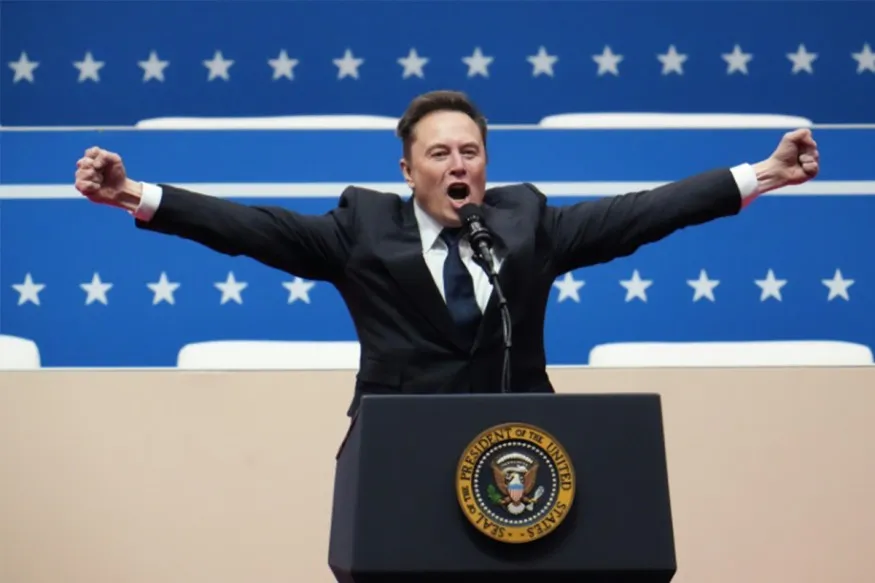
Tesla shareholders have officially approved a staggering $1 trillion (£820 billion) compensation package for CEO Elon Musk, making it the largest executive payout in corporate history. The vote, which passed with 75% in favour, was held at the company’s annual meeting in Austin, Texas.

Under the terms of the plan, Musk will receive up to 12% of Tesla’s stock, contingent upon the company reaching a market capitalisation of $8.5 trillion (£7 trillion) and achieving performance milestones over the next decade.
Tesla
Tesla’s current valuation stands at approximately $1.45 trillion (£1.18 trillion).

The board, led by Chair Robyn Denholm, defended the record sum by arguing that retaining Musk was essential to Tesla’s innovation and expansion into artificial intelligence, robotics, and autonomous technology. Denholm warned shareholders that without approval, Tesla risked losing ‘his time, talent, and vision’ to his other ventures.

The Scale of a Trillion

The sheer size of the deal is almost beyond comprehension. If spent at a rate of $40 (£32) per second, it would take over 790 years to exhaust a trillion dollars. A trillion also dwarfs many national economies — it exceeds the GDP of Switzerland, which stands at around $900 billion (£738 billion), and is equivalent to roughly 2.5% of the total US GDP.

Switzerland
Switzerland has a nominal GDP of approximately $1.06 trillion for 2025

To visualise it in corporate terms: with that level of capital, Musk could purchase every car sold in the United States in a year, or acquire global corporations like Coca-Cola, Toyota, and Royal Caribbean multiple times over. It would also buy 333 JPMorgan Chase skyscrapers or 2,000 luxury yachts, each worth millions.
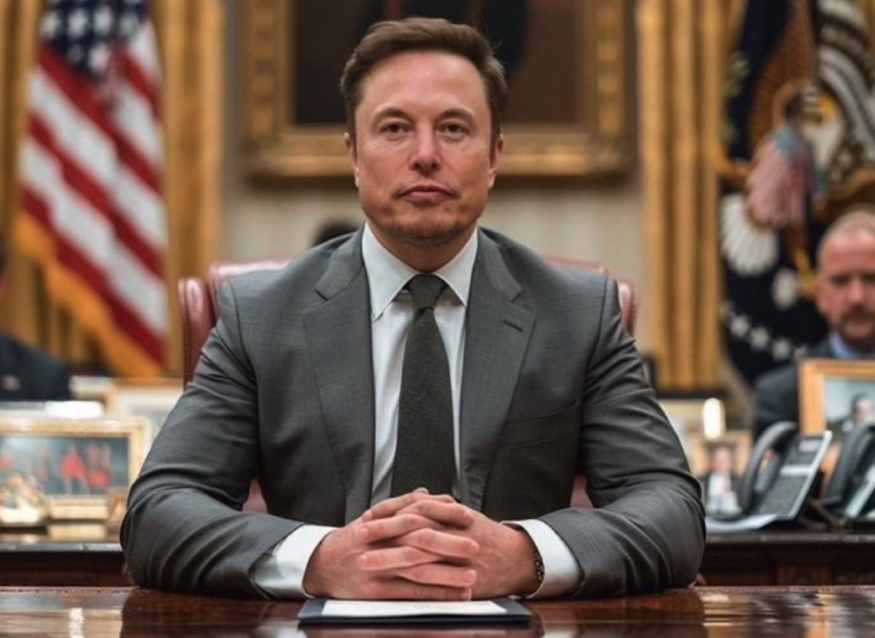
Elon Musk
Once paid out, could Elon Musk buy out half the world’s companies?

Could Musk Truly ‘Buy Half the World’?

In practical terms — economically, yes. With $1 trillion (£820 billion) at his disposal, Musk could acquire or control corporations operating across more than half of the world’s major economies. For instance, he could purchase the combined market capitalisations of Toyota, Volkswagen, Hyundai, Ford, and General Motors, effectively dominating the global automotive sector.

Beyond transport, that sum could buy energy giants such as ExxonMobil, Chevron,and ConocoPhillips, or even household brands like Coca-Cola, Nestlé, and Unilever — companies that supply goods and services to billions worldwide. Collectively, these firms represent industries spanning dozens of nations, from the Americas to Europe, Asia, and the Middle East.

The company logo for Unilever is displayed on a screen on the floor of the NYSE
Elon could have the leverage to buy companies that supply goods and services to billions worldwide like Unilever.

By this measure, Musk could influence economic ecosystems that account for half the world’s active markets — a level of financial power no single person has ever approached in modern history. His potential purchasing power extends from energy to technology, transport to consumer goods, symbolising the profound shift toward wealth consolidation in the digital age.

The Era of Exponential Wealth

The vote also signals a wider cultural and economic phenomenon: the acceptance of extreme executive compensation as a vehicle for innovation. Yet critics, including Norges Bank Investment Management, have cautioned against the precedent such a package sets for governance and corporate ethics, citing concerns over ‘key person risk’ and ‘lack of mitigation’.

Still, Tesla’s shareholder enthusiasm underscores confidence in Musk’s ability to transform the company into a dominant player in autonomous transport and AI manufacturing. Whether or not those ambitions materialise, one fact is clear: Musk’s financial footprint could soon rival that of small nations.

In that sense, the question is less whether he could buy half the world — and more how much of it he already influences.

Originally published on IBTimes UK


- Advertisement -

spot_img

Most Popular

LEAVE A REPLY

Please enter your comment!
Please enter your name here

More from MT

Why Younger Americans Are Opting Out of Traditional Insurance Plans

A generational shift that reveals more about the economy than the...

Buy Now, Pay Forever: The Psychology of Modern Debt

Why Americans keep borrowing, even when they know the long term...

Why Switching Providers Is Now a Financial Strategy

For decades, switching service providers, whether for insurance, banking, internet, wireless...

Climate Risk Is Now a Household Budget Issue: The New Financial Reality for American Families

For years, climate change was treated as a national or global...

- Advertisement -

Related News

Why Younger Americans Are Opting Out of Traditional Insurance Plans

A generational shift that reveals more about the economy than the insurance market. For decades, insurance was considered a mandatory part of adulthood health, auto, renters, homeowners, life. You hit your mid-twenties, found a job, signed up for benefits, and the rest was automatic. But in 2026, that...

Buy Now, Pay Forever: The Psychology of Modern Debt

Why Americans keep borrowing, even when they know the long term cost. If you want to understand the modern American economy, don’t start with the stock market. Start with the monthly payment. Car loans stretch to seven years. Phones financed like mortgages. “Buy now, pay later” buttons sitting...

Why Switching Providers Is Now a Financial Strategy

For decades, switching service providers, whether for insurance, banking, internet, wireless service, or utilities, was treated as an annoyance rather than a financial plan. Most households picked a company, stayed put, and absorbed the occasional price hike as part of modern life. But in 2025 and 2026, the...

Climate Risk Is Now a Household Budget Issue: The New Financial Reality for American Families

For years, climate change was treated as a national or global challenge, something for policymakers, insurance companies, and environmental agencies to solve. But in 2026, the financial consequences have moved directly into American homes. The cost of living is rising not only because of inflation or interest...

Why Owning Still Costs More Even When Mortgage Rates Stabilize

For months, analysts have speculated that the worst of the mortgage rate volatility is behind us. Rates have inched down from their pandemic-era spike, the housing market is showing early signs of thawing, and some buyers are cautiously returning after sitting out the chaos of 2022-2024. Yet for...

Is the Insurance Industry Prepared for the Climate Era?

For decades, insurance has quietly served as the financial shock absorber of American life. Hurricanes, floods, droughts, and wildfires insurers paid, rates rose modestly, and the system recalibrated. That equilibrium is breaking. As climate volatility intensifies, insurance markets are no longer merely pricing risk; they are confronting risk that...