

HomeReal EstateWhy Owning a Home...

Why Owning a Home Now Requires Financial Endurance

Homeownership has long been a cornerstone of financial stability. But today, it feels less like a milestone and more like a test of endurance. Rising costs, shifting markets, and unexpected expenses are reshaping what it means to truly “own” a home.

The Rising Cost of Entry

Home prices continue to outpace wage growth in many markets. According to data from the U.S. Census Bureau, median home prices have increased faster than median household income in over half of major metropolitan areas. For first time buyers, this means larger mortgages, higher down payments, and extended timelines to reach financial readiness.

Mortgage Rates Add Pressure

Even modest increases in mortgage rates can significantly affect monthly payments. A 1% rate increase on a $300,000 mortgage can add hundreds of dollars per month. Many households are finding that budget buffers that once seemed adequate are now stretched thin.

Hidden and Ongoing Costs

Owning a home is more than the mortgage. Property taxes, insurance, maintenance, and unexpected repairs all demand attention. According to the National Association of Home Builders, the average homeowner spends approximately 1-3% of their home’s value annually on upkeep. For high maintenance properties or older homes, those costs can climb sharply.

Financial Endurance, Not Just Wealth

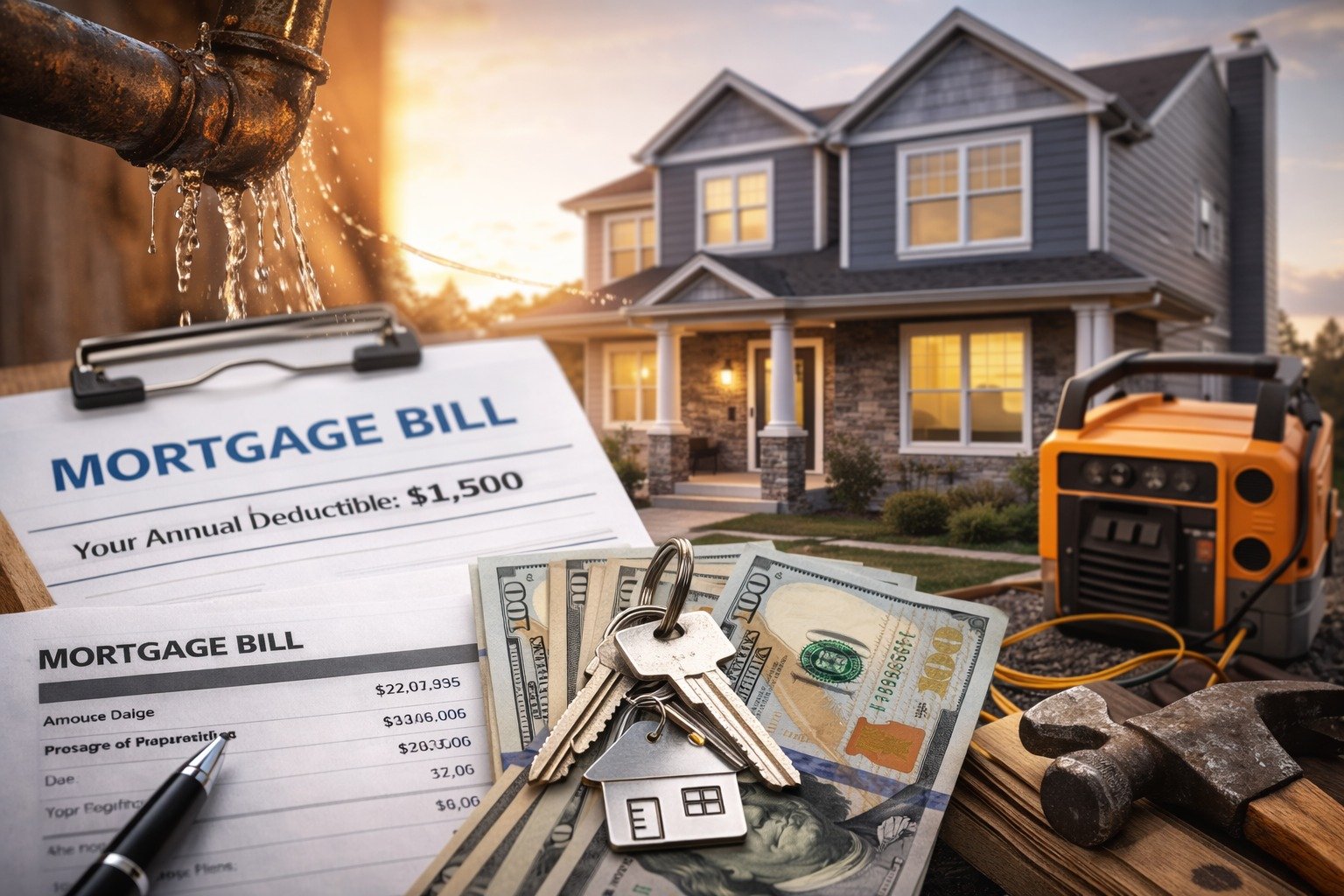
The new reality of homeownership isn’t about acquiring an asset alone; it’s about sustaining it. Families must anticipate both planned expenses and unexpected shocks, everything from roof replacements to emergency plumbing repairs. Those who approach homeownership without adequate buffers risk financial stress, even in relatively stable economic periods.

Strategic Approaches

To navigate this landscape, households are adapting:

  • Prioritize emergency funds: Keeping a separate reserve for home-related expenses is critical.
  • Budget beyond the mortgage: Include taxes, insurance, and maintenance in monthly calculations.
  • Evaluate affordability realistically: Avoid stretching to the maximum loan possible.
  • Consider location trade-offs: Smaller homes or emerging neighborhoods may offer a more sustainable path.

Owning a home today demands more than income, it requires endurance, foresight, and resilience. For many Americans, achieving homeownership is only the beginning. Sustaining it amid rising costs, complex financial obligations, and unexpected repairs is the real challenge.

Homeownership remains a goal worth pursuing, but it’s increasingly a long-term financial commitment, not just a symbol of achievement.

In another related article, When Repair Inflation Outpaces Home Appreciation

- Advertisement -

spot_img

Most Popular

LEAVE A REPLY

Please enter your comment!
Please enter your name here

More from MT

The Future of Claims Processing in a Data Driven Insurance Industry

In the past, filing an insurance claim often meant stacks of...

Why the Insurance Industry Is Entering a Period of Structural Change

The insurance industry, long considered a pillar of stability in financial...

Why Insurance Claims Sometimes Take Months to Resolve

For policyholders, the process of filing an insurance claim can feel...

The Economic Ripple Effects of Large Insurance Losses

When a hurricane, wildfire, or other catastrophic event strikes, the immediate...

- Advertisement -

Related News

The Future of Claims Processing in a Data Driven Insurance Industry

In the past, filing an insurance claim often meant stacks of paperwork, long hold times, and the anxious wait for approval. For policyholders, the process could be opaque, frustrating, and slow. For insurers, claims processing was labor intensive and prone to human error. But as the insurance...

Why the Insurance Industry Is Entering a Period of Structural Change

The insurance industry, long considered a pillar of stability in financial markets, is undergoing a transformation that many consumers may barely notice yet its effects could be profound. From shifting risk landscapes to technological disruption and regulatory evolution, insurers are adjusting their business models in ways that...

Why Insurance Claims Sometimes Take Months to Resolve

For policyholders, the process of filing an insurance claim can feel deceptively simple: submit the forms, wait a bit, and receive a payout. In reality, the timeline for claim resolution can stretch for months, leaving households and businesses in financial uncertainty. Understanding why delays occur requires a...

The Economic Ripple Effects of Large Insurance Losses

When a hurricane, wildfire, or other catastrophic event strikes, the immediate concern is often the physical damage and personal loss. But behind the scenes, large insurance claims can trigger a series of economic ripple effects that extend far beyond the initial disaster. For insurers, businesses, and even...

How Artificial Intelligence Is Transforming Insurance Underwriting

Underwriting has long been the backbone of the insurance industry, determining who gets coverage and at what price. Traditionally, underwriters relied on historical data, actuarial tables, and professional judgment to assess risk. Today, artificial intelligence (AI) is reshaping the underwriting landscape, promising faster decisions, more accurate risk...

Insurance Deserts: Where Policies Are Quietly Becoming Unavailable

In parts of the United States, insurance is not just getting more expensive. It is quietly becoming harder to find at all. The term “insurance desert” is increasingly used to describe areas where private insurers have reduced coverage, stopped writing new policies, or exited entirely. Unlike headline grabbing...