

HomeNewsThe Future of HELOCs...

The Future of HELOCs in a Digital Lending Ecosystem

Home Equity Lines of Credit (HELOCs) have long been a flexible tool for homeowners, offering access to capital for renovations, debt consolidation, or other financial needs. Today, the rise of digital lending platforms is reshaping how HELOCs are issued, managed, and utilized, creating both opportunities and challenges for borrowers and lenders alike.

Digital Transformation of HELOCs

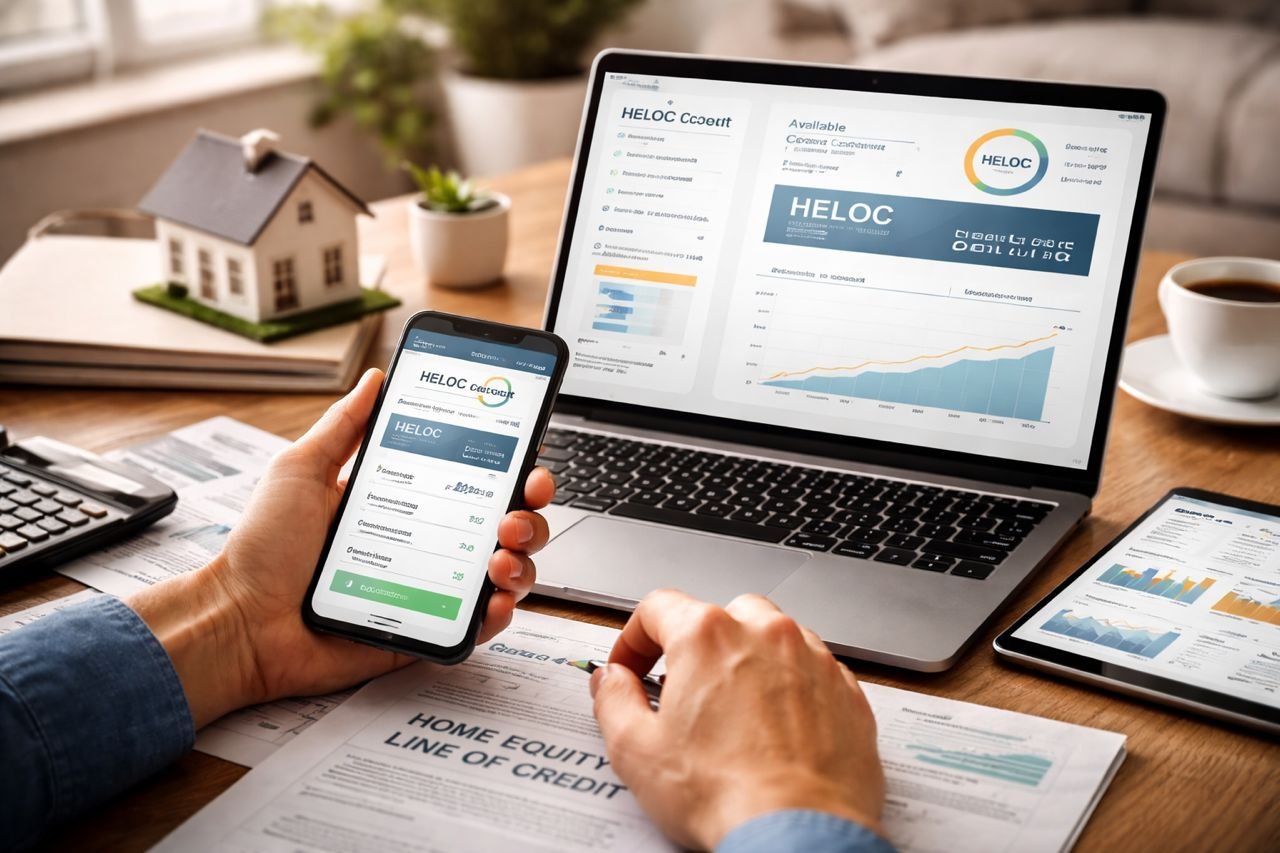
The integration of digital tools into lending processes has streamlined HELOC applications. Traditional paperwork is being replaced with online forms, automated income verification, and digital credit assessments. This shift accelerates approvals, reduces friction, and enables real time access to home equity data, making HELOCs more accessible to tech savvy homeowners.

Moreover, lenders are using artificial intelligence and predictive analytics to evaluate risk more accurately. These systems can tailor credit limits, interest rates, and repayment terms to individual borrowers, potentially making HELOCs more personalized and fair than ever before.

Opportunities and Risks for Borrowers

The digital lending ecosystem opens new opportunities for homeowners:

  • Faster access to funds – Digital platforms can approve HELOCs in days rather than weeks.
  • Tailored repayment options – AI-driven models may adjust interest rates or limits based on real-time financial behavior.
  • Greater transparency – Borrowers can track usage, balances, and payments through apps and dashboards.

However, risks remain. Digital platforms may rely heavily on automated scoring, which can misinterpret unique financial circumstances. Homeowners must also be cautious about overleveraging their equity, particularly in volatile housing markets where values can fluctuate quickly.

Strategic Insight for Lenders and Borrowers

As HELOCs evolve in the digital age, both lenders and borrowers must adopt a strategic mindset:

  • For lenders – Balancing automation with human oversight ensures risk is managed without sacrificing personalization.
  • For borrowers – Understanding the implications of variable rates and digital credit scoring is crucial to avoid unexpected costs.

Analysts predict that HELOCs will increasingly be integrated into broader digital financial ecosystems, linking home equity with personal finance management tools, investment platforms, and even AI powered budgeting assistants.

Looking Ahead

The future of HELOCs lies at the intersection of homeownership, technology, and financial strategy. Digital platforms promise greater convenience, speed, and customization, but success will depend on careful navigation of risk and responsible borrowing. For homeowners, staying informed about the evolving digital landscape will be key to leveraging HELOCs effectively in the years ahead.

In another related article, The Impact of Inflation on Home Equity and Refinancing Opportunities

- Advertisement -

spot_img

Most Popular

LEAVE A REPLY

Please enter your comment!
Please enter your name here

More from MT

Are Debt Consolidation Trends Actually Helping Consumers?

Debt consolidation has become one of the most widely promoted solutions...

The Psychology Behind Homeowners’ Decisions to Refinance

Refinancing a mortgage is more than a financial calculation; it's a...

How Student Loan Reforms Are Influencing Broader Debt Solutions

Recent student loan reforms are sending ripples through the broader debt...

The Impact of Inflation on Home Equity and Refinancing Opportunities

Inflation is reshaping the housing market in subtle but powerful ways,...

- Advertisement -

Related News

Are Debt Consolidation Trends Actually Helping Consumers?

Debt consolidation has become one of the most widely promoted solutions in today’s high-interest environment. From personal loans to balance transfers and home equity strategies, consumers are increasingly looking for ways to simplify payments and lower costs. But the bigger question remains: are these trends genuinely improving...

The Psychology Behind Homeowners’ Decisions to Refinance

Refinancing a mortgage is more than a financial calculation; it's a deeply psychological decision. Beyond interest rates, home equity, or monthly payments, homeowners weigh emotions, perceived control, and risk tolerance when deciding whether to refinance. Understanding these behavioral factors can provide insight into broader refinancing trends in...

How Student Loan Reforms Are Influencing Broader Debt Solutions

Recent student loan reforms are sending ripples through the broader debt landscape, reshaping how consumers approach borrowing, repayment, and financial planning. While these reforms primarily target federal education debt, their impact extends to credit behavior, refinancing strategies, and the broader market for personal debt solutions. A Shift in...

The Impact of Inflation on Home Equity and Refinancing Opportunities

Inflation is reshaping the housing market in subtle but powerful ways, influencing homeowners’ decisions around equity and refinancing. While rising prices can boost home values, they also complicate borrowing costs and refinancing opportunities, creating a landscape where timing and strategy matter more than ever. Inflation and Home Equity:...

Why Insurance Rates Differ So Much by ZIP Code

Two people can drive the same car, have clean records, and still pay very different premiums simply because they live a few miles apart. It feels unfair at first. But from an insurer’s perspective, location changes risk in very real ways. Here’s what’s actually going on. 1. Crime Patterns Matter Insurance...

Why the Insurance Industry Is Becoming More Selective About Who It Covers

Insurance has always been about managing risk, but recent trends show that insurers are becoming increasingly selective about who they cover. Rising claims, climate risks, cyber threats, and economic pressures are reshaping underwriting strategies, leaving some consumers and businesses with fewer options than ever before. Escalating Risk and...