

HomeOpinionWhy the Insurance Industry...

Why the Insurance Industry Is Becoming More Selective About Who It Covers

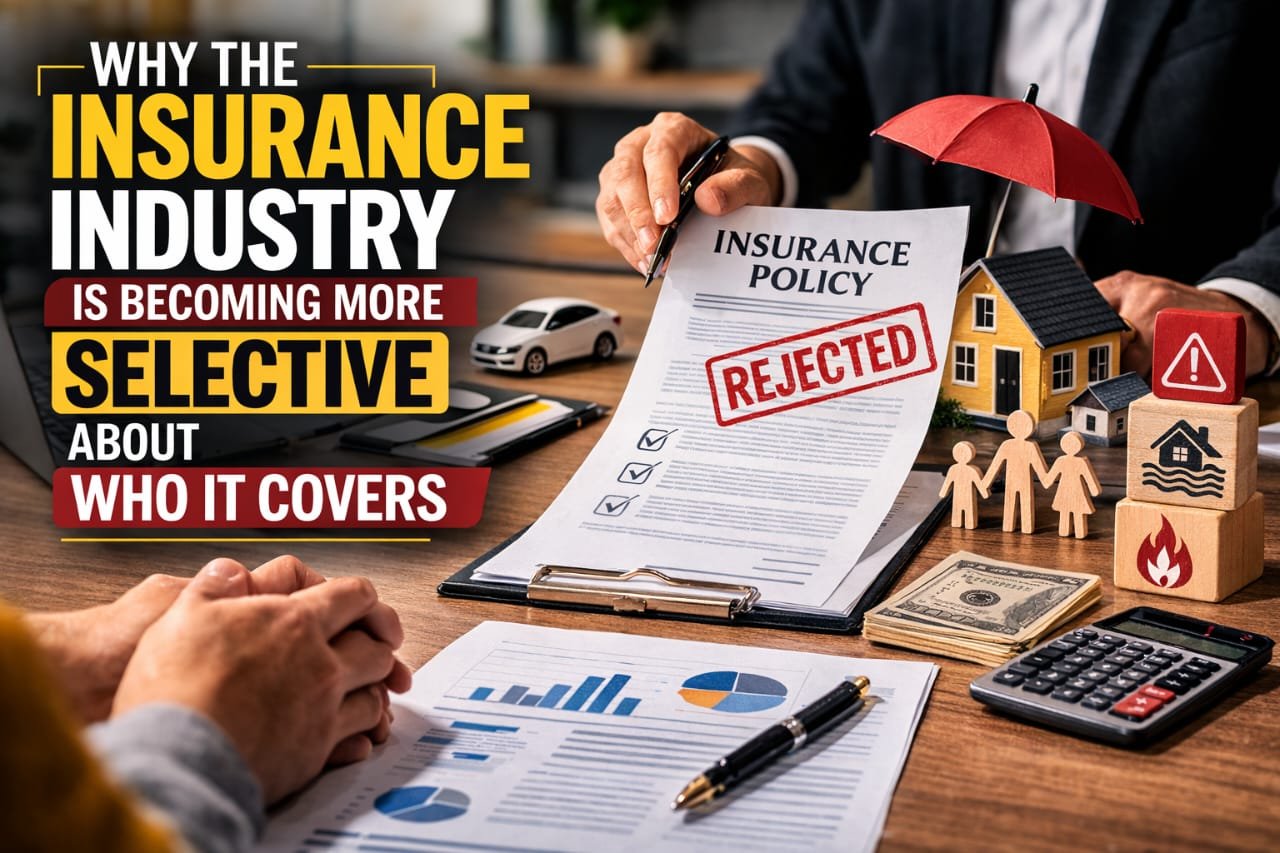
Insurance has always been about managing risk, but recent trends show that insurers are becoming increasingly selective about who they cover. Rising claims, climate risks, cyber threats, and economic pressures are reshaping underwriting strategies, leaving some consumers and businesses with fewer options than ever before.

Escalating Risk and Rising Losses

Natural disasters, such as hurricanes, wildfires, and floods, have increased both in frequency and severity. According to the Insurance Information Institute, insured losses from U.S. catastrophes alone exceeded $100 billion in 2024. For insurers, this creates a delicate balancing act: cover high risk policyholders and face potential financial strain, or limit coverage to manage exposure.

Similarly, cyberattacks and data breaches are driving a new wave of selective underwriting in commercial insurance. Companies with outdated security measures or high risk operations are increasingly facing restricted access to cyber coverage or elevated premiums.

Economic Pressures and Profitability

Rising inflation and interest rate fluctuations are also putting pressure on insurers. Maintaining profitability while paying out large claims forces companies to carefully assess risk profiles. Moody’s Investors Service reports that insurers are adjusting pricing models and underwriting guidelines to protect their financial stability, which can result in stricter acceptance criteria for new clients.

The Role of Data and Technology

Advances in data analytics and predictive modeling have made it easier for insurers to identify high-risk individuals or businesses. Insurers are now able to assess risk with greater precision, leading to more targeted coverage decisions. For example, in property insurance, location-based risk scoring allows companies to avoid insuring homes in areas prone to repeated flooding or wildfire exposure.

Implications for Policyholders

For consumers and businesses, this selectivity means greater due diligence is required when shopping for insurance. Policies may be harder to obtain, premiums may be higher, and some coverage options may no longer be available in high-risk areas. However, these changes also drive the development of more tailored, risk-aware policies that reward mitigation efforts, such as improved building codes, safety measures, and cybersecurity investments.

Looking Ahead

The trend toward selective underwriting reflects a broader industry shift toward sustainability and risk management. Insurers that embrace precision, technology, and proactive risk assessment will remain competitive, while policyholders will need to understand their own risk profiles and plan accordingly. In an era of rising uncertainty, knowing your coverage options and the risks insurers are willing to assume has never been more critical.

- Advertisement -

spot_img

Most Popular

LEAVE A REPLY

Please enter your comment!
Please enter your name here

More from MT

Why Reinsurance Is the Invisible Force Driving Premium Increases

When insurance premiums rise, policyholders often blame the insurance companies themselves....

How Insurance Complexity Is Shaping Consumer Trust in the Industry

Insurance has grown increasingly complex over the past decade. Policies feature...

The Cost of Convenience: How Online Insurance Buying Is Changing Risk Awareness

The rise of online insurance platforms has made purchasing coverage faster...

Will Technology Make Insurance Fairer or More Expensive?

Technology is transforming the insurance industry at an unprecedented pace. From...

- Advertisement -

Related News

Why Reinsurance Is the Invisible Force Driving Premium Increases

When insurance premiums rise, policyholders often blame the insurance companies themselves. Yet, behind the scenes, a largely invisible player is influencing these costs: reinsurance. Often described as “insurance for insurers,” reinsurance allows companies to spread risk, but it also comes with costs that ripple down to consumers....

How Insurance Complexity Is Shaping Consumer Trust in the Industry

Insurance has grown increasingly complex over the past decade. Policies feature layers of clauses, exclusions, and conditions that can be difficult for the average consumer to navigate. While these structures help insurers manage risk, they also pose challenges for trust, transparency, and customer satisfaction. Complexity and Consumer Confusion For...

The Cost of Convenience: How Online Insurance Buying Is Changing Risk Awareness

The rise of online insurance platforms has made purchasing coverage faster and more convenient than ever. With a few clicks, consumers can compare policies, select coverage, and pay premiums all without visiting an agent. While this digital convenience offers efficiency, it also comes with unintended consequences for...

Will Technology Make Insurance Fairer or More Expensive?

Technology is transforming the insurance industry at an unprecedented pace. From AI-driven underwriting to telematics in auto insurance, insurers now have access to data and tools that can more accurately assess risk. While these advances promise fairer pricing for some, they also raise concerns that premiums could...

The Future of Claims Processing in a Data Driven Insurance Industry

In the past, filing an insurance claim often meant stacks of paperwork, long hold times, and the anxious wait for approval. For policyholders, the process could be opaque, frustrating, and slow. For insurers, claims processing was labor intensive and prone to human error. But as the insurance...

Why the Insurance Industry Is Entering a Period of Structural Change

The insurance industry, long considered a pillar of stability in financial markets, is undergoing a transformation that many consumers may barely notice yet its effects could be profound. From shifting risk landscapes to technological disruption and regulatory evolution, insurers are adjusting their business models in ways that...