

HomeBusiness & FinanceThe Cost of Convenience:...

The Cost of Convenience: How Online Insurance Buying Is Changing Risk Awareness

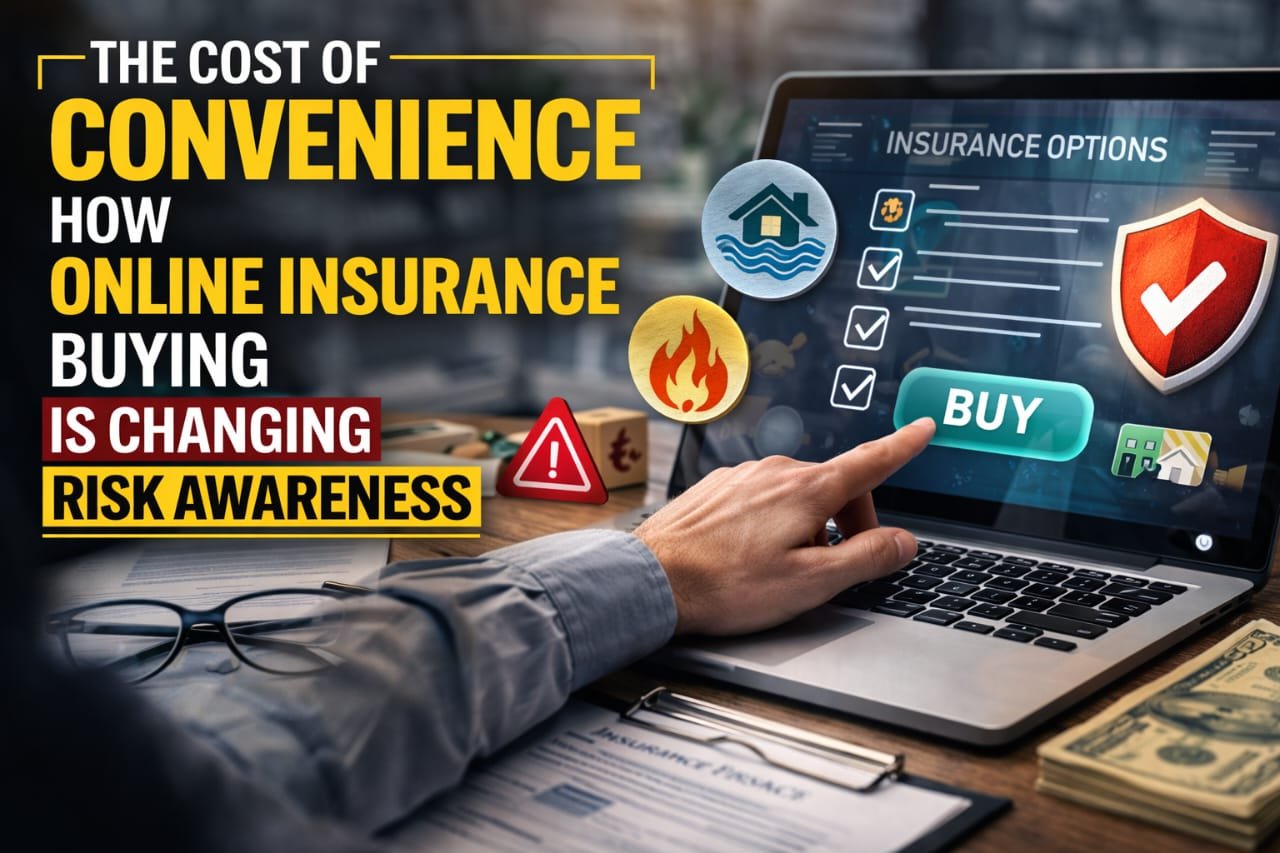
The rise of online insurance platforms has made purchasing coverage faster and more convenient than ever. With a few clicks, consumers can compare policies, select coverage, and pay premiums all without visiting an agent. While this digital convenience offers efficiency, it also comes with unintended consequences for risk awareness and informed decision-making.

Speed vs. Understanding

Online insurance marketplaces often prioritize speed and simplicity, offering pre-packaged policies with minimal explanation. A 2025 study by J.D. Power found that 42% of consumers purchasing insurance online admitted they did not fully understand the coverage they selected. The faster, easier process can encourage people to prioritize cost or convenience over comprehension, leaving them underinsured or unaware of exclusions.

This trade off highlights a fundamental challenge: convenience can inadvertently reduce risk literacy. Consumers may skip reading terms, ignore fine print, or misinterpret coverage limits all factors that directly affect their financial security during a claim.

The Role of Algorithms and AI

Digital insurance platforms increasingly use algorithms to recommend policies based on user data, preferences, and predictive risk models. While these tools can optimize pricing and match consumers with appropriate products, they can also reinforce a false sense of security. Users may assume the recommended policy is automatically suitable, without fully understanding the coverage nuances or potential gaps.

Implications for Risk Awareness

The convenience of online buying can inadvertently shift responsibility away from consumers. A person who purchases insurance online may feel “covered,” even if the policy does not fully align with their actual risk exposure. In contrast, traditional agent-assisted purchases often involve personalized guidance, questioning, and discussion that can improve awareness and understanding.

For insurers, this presents both opportunities and challenges. While online channels reduce operational costs and increase reach, they may also contribute to more claims disputes or customer dissatisfaction when coverage misunderstandings occur.

Moving Toward Smarter Digital Insurance

To address these concerns, insurers and tech platforms are investing in interactive tools, educational content, and AI-driven assistance to guide consumers through the nuances of coverage. Visual aids, policy breakdowns, and real time chat support can help buyers make informed choices without sacrificing convenience.

Ultimately, the convenience of digital insurance buying comes at a subtle cost: reduced engagement with risk and coverage details. Awareness, education, and transparency are essential to ensure that speed and efficiency do not come at the expense of financial security.

In another related article, Will Technology Make Insurance Fairer or More Expensive?

- Advertisement -

spot_img

Most Popular

LEAVE A REPLY

Please enter your comment!
Please enter your name here

More from MT

Why the Insurance Industry Is Becoming More Selective About Who It Covers

Insurance has always been about managing risk, but recent trends show...

Why Reinsurance Is the Invisible Force Driving Premium Increases

When insurance premiums rise, policyholders often blame the insurance companies themselves....

How Insurance Complexity Is Shaping Consumer Trust in the Industry

Insurance has grown increasingly complex over the past decade. Policies feature...

Will Technology Make Insurance Fairer or More Expensive?

Technology is transforming the insurance industry at an unprecedented pace. From...

- Advertisement -

Related News

Why the Insurance Industry Is Becoming More Selective About Who It Covers

Insurance has always been about managing risk, but recent trends show that insurers are becoming increasingly selective about who they cover. Rising claims, climate risks, cyber threats, and economic pressures are reshaping underwriting strategies, leaving some consumers and businesses with fewer options than ever before. Escalating Risk and...

Why Reinsurance Is the Invisible Force Driving Premium Increases

When insurance premiums rise, policyholders often blame the insurance companies themselves. Yet, behind the scenes, a largely invisible player is influencing these costs: reinsurance. Often described as “insurance for insurers,” reinsurance allows companies to spread risk, but it also comes with costs that ripple down to consumers....

How Insurance Complexity Is Shaping Consumer Trust in the Industry

Insurance has grown increasingly complex over the past decade. Policies feature layers of clauses, exclusions, and conditions that can be difficult for the average consumer to navigate. While these structures help insurers manage risk, they also pose challenges for trust, transparency, and customer satisfaction. Complexity and Consumer Confusion For...

Will Technology Make Insurance Fairer or More Expensive?

Technology is transforming the insurance industry at an unprecedented pace. From AI-driven underwriting to telematics in auto insurance, insurers now have access to data and tools that can more accurately assess risk. While these advances promise fairer pricing for some, they also raise concerns that premiums could...

The Future of Claims Processing in a Data Driven Insurance Industry

In the past, filing an insurance claim often meant stacks of paperwork, long hold times, and the anxious wait for approval. For policyholders, the process could be opaque, frustrating, and slow. For insurers, claims processing was labor intensive and prone to human error. But as the insurance...

Why the Insurance Industry Is Entering a Period of Structural Change

The insurance industry, long considered a pillar of stability in financial markets, is undergoing a transformation that many consumers may barely notice yet its effects could be profound. From shifting risk landscapes to technological disruption and regulatory evolution, insurers are adjusting their business models in ways that...