

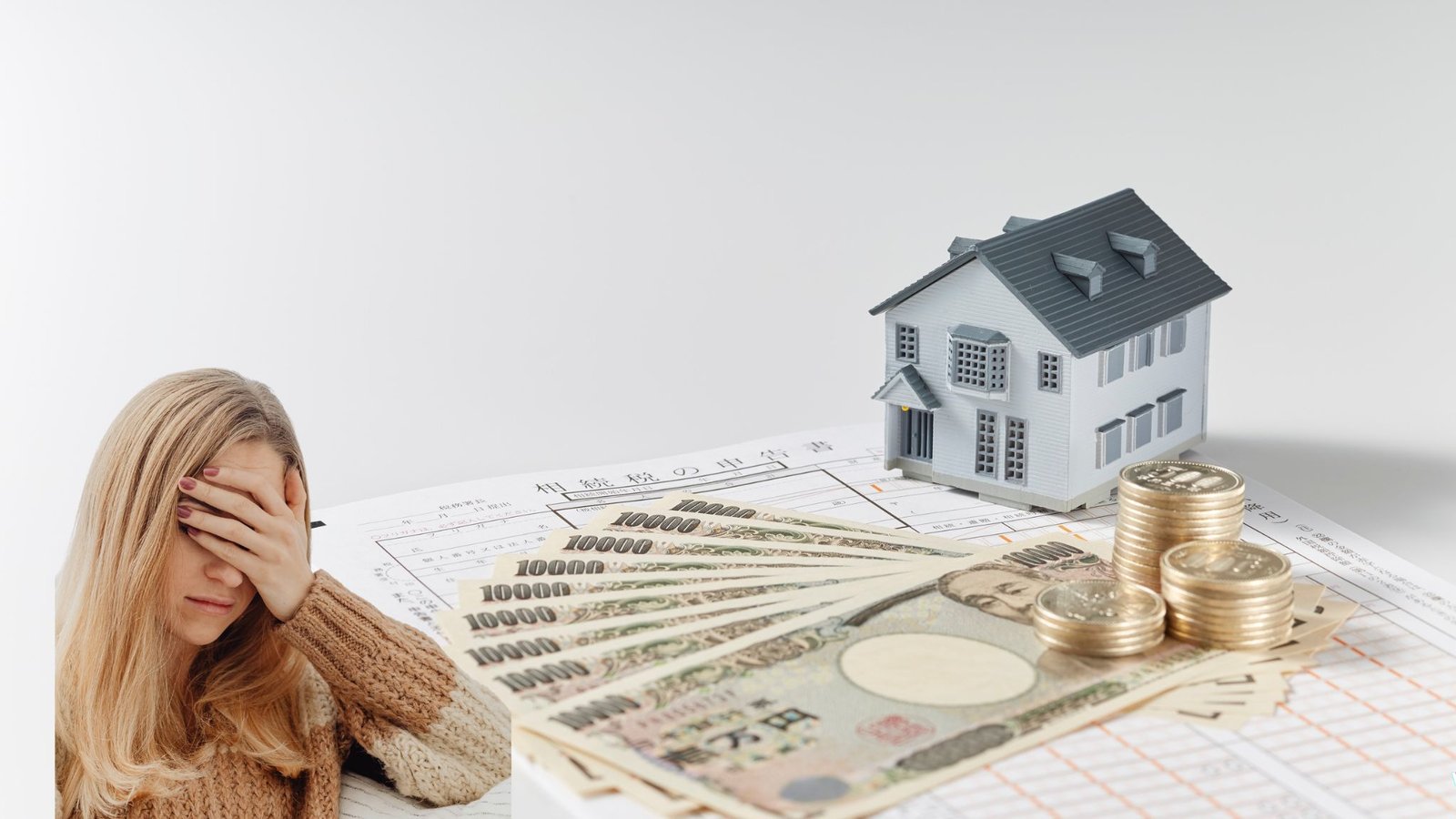
On paper, millions of American homeowners are in an enviable position. They locked in ultra low mortgage rates years ago. Their monthly payments are predictable. Their home values, in many cases, are higher than ever.
And yet, a growing number of these homeowners say they feel financially stuck.
The paradox of being “locked in” at a low rate but still feeling trapped reveals a deeper shift in what homeownership represents in today’s economy.
Low Rates, High Constraints
The mortgage rate lock-in effect is often described as a benefit. Homeowners with 3 percent mortgages are insulated from today’s higher borrowing costs. Selling and buying again would mean doubling or tripling their interest rate.
But insulation has become immobility.
Low rates now function less like a financial advantage and more like a constraint. Homeowners stay put not because they want to, but because moving would mean a permanent jump in monthly costs they cannot justify.
The house becomes an anchor, not an asset.
Equity That Can’t Be Used Easily
Rising home values have created substantial paper wealth. But equity isn’t the same as liquidity.
Accessing that equity through refinancing is no longer attractive at current rates. Home equity lines are more expensive and come with variable risk. Selling outright often means trading one problem for another, entering a rental market with historically high prices.
The result is wealth that exists on balance sheets but not in daily financial life.
Maintenance Costs Are Quietly Rising
While mortgage payments remain fixed, the cost of owning a home has not.
Insurance premiums are rising sharply in many regions. Property taxes reset higher as assessments catch up with valuations. Maintenance and repair costs have climbed alongside labor and materials.
Roof replacements, HVAC systems, plumbing, and electrical work now cost significantly more than they did just a few years ago. These expenses are unavoidable and difficult to budget for.
A fixed mortgage does not mean a fixed cost of living.
The Opportunity Cost of Staying Put
Being locked in also limits opportunity.
Homeowners delay career moves that require relocation. They pass on downsizing options that no longer pencil out. They stay in homes that no longer fit their needs because alternatives feel financially irrational.
In this way, housing choices ripple outward into labor mobility, family planning, and quality of life.
The decision to stay is often framed as prudent. In reality, it is frequently constrained.
Insurance and Risk Are Redefining Ownership
Climate risk, insurance availability, and deductibles are reshaping what ownership feels like.
In some regions, homeowners face rising premiums, limited insurer options, or even non-renewals. Coverage that once felt routine now feels conditional.
Owning a home increasingly means managing risk exposure that renters rarely see directly. That responsibility weighs heavily, especially in disaster prone areas.
Emotional Attachment Meets Financial Reality
Homeownership has long been associated with security and control. For many, that promise feels diluted.
The home may be stable, but the surrounding financial environment is not. Costs rise. Options narrow. Flexibility shrinks.
This creates a quiet tension between emotional attachment and financial logic. People love their homes but feel constrained by them.
Why This Matters Beyond Housing
The locked-in homeowner phenomenon has broader economic implications.
Reduced mobility affects labor markets. Limited housing turnover constrains supply. Fewer moves slow local economic dynamism. Consumer spending patterns shift toward maintenance rather than expansion.
What looks like stability from a distance can function like stagnation up close.
Rethinking the Narrative of Advantage
Low mortgage rates are undeniably valuable. But they do not exist in isolation.
When paired with high prices, rising ownership costs, and limited alternatives, they can contribute to a sense of financial paralysis.
Understanding this nuance matters. It explains why confidence remains fragile even among households that appear well positioned. It also challenges simplistic narratives about who is “winning” in the current housing market.
Being locked in at a low rate is not the same as being free.
For many homeowners, today’s housing advantage comes with invisible constraints that shape choices, limit mobility, and increase financial stress. Until the broader cost structure around housing becomes more flexible, ownership will continue to feel less like leverage and more like obligation.
The mortgage may be fixed. The pressure is not.