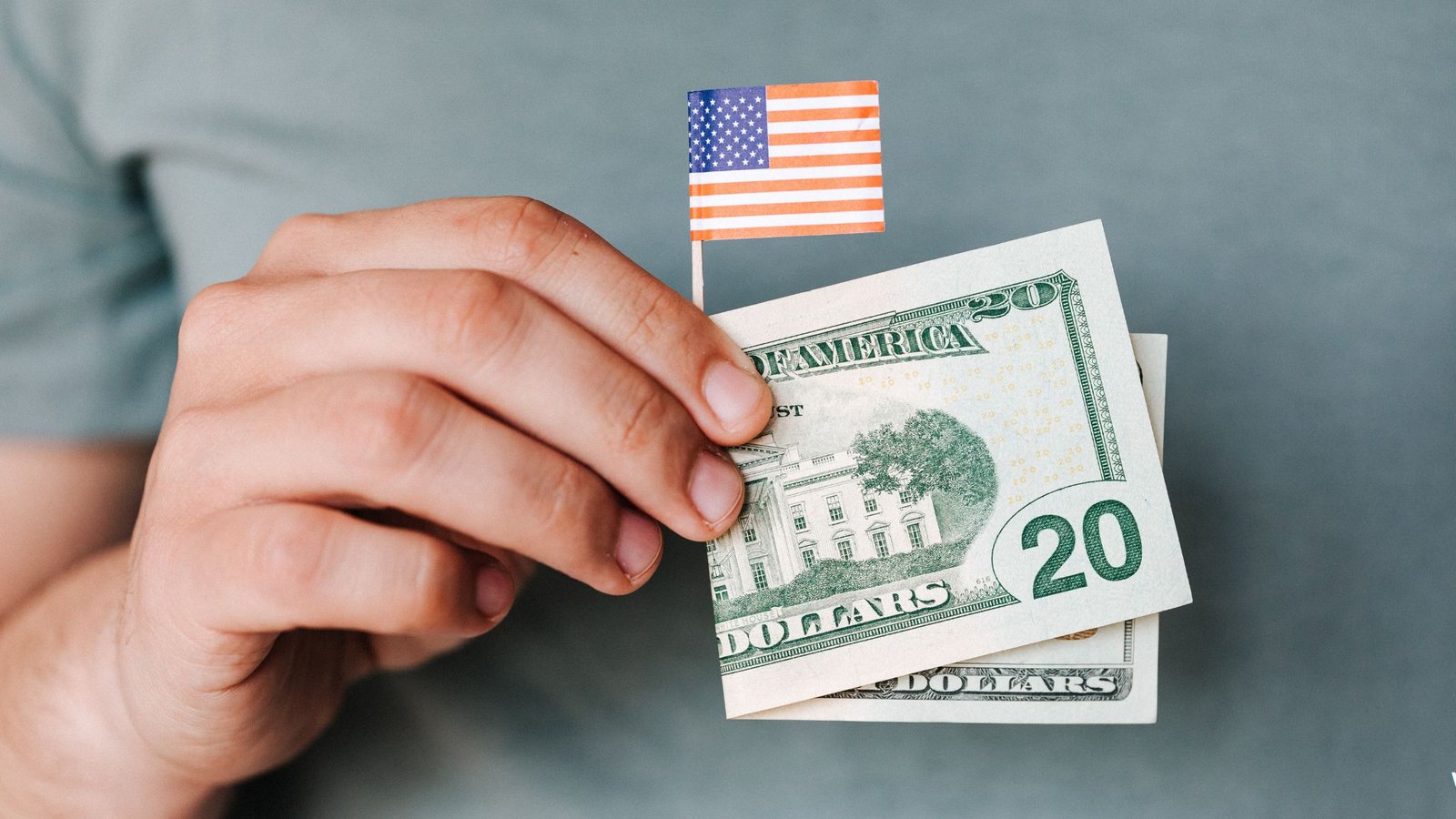
Ask most Americans how they feel about money right now, and the answer isn’t just “stressed.” It’s tiring.
Not the short term anxiety that comes with a big bill or an unexpected expense, but a deeper fatigue that builds over years. The constant need to make financial decisions. The feeling that every choice carries consequences. The sense that even doing “everything right” no longer guarantees stability.
This exhaustion isn’t accidental. It’s the product of an economy that increasingly shifts risk, complexity, and responsibility onto individuals, while offering fewer clear paths to financial confidence.
Too Many Decisions, Too Much Risk
A generation ago, many core financial decisions were simpler, even if incomes were lower.
Employer pensions replaced retirement planning. Healthcare choices were narrower. Housing costs moved slowly. Insurance was largely standardized. Credit was harder to access, but easier to understand.
Today, Americans are asked to make dozens of high-stakes financial decisions each year, often with incomplete information and little margin for error.
Which health plan has the lowest long term cost?
Should you lock in a mortgage rate or wait?
Is full insurance coverage worth it, or is liability only enough?
Should you pay down debt, invest, or keep cash for emergencies?
None of these choices are trivial. Each comes with trade-offs that can shape financial outcomes for years. And the burden of choosing correctly now falls squarely on households, not institutions.
The Hidden Cost of Financial Complexity
One reason money feels exhausting is that the financial system has grown more complex, not more supportive.
Insurance plans are filled with exclusions, deductibles, and shifting terms. Subscription-based services quietly drain monthly budgets. Variable pricing models make it hard to know whether you are paying a fair rate. Even basic necessities like utilities and childcare involve constant comparison shopping.
This complexity creates what economists call “decision fatigue,” where the sheer volume of choices reduces the quality of decisions over time. When every financial choice feels urgent and uncertain, people default to avoidance, inertia, or short-term thinking.
That’s not a personal failure. It’s a predictable outcome of cognitive overload.
Stability Now Requires Active Management
Perhaps the most draining change is that financial stability is no longer passive.
In the past, staying stable often meant maintaining steady employment and avoiding major mistakes. Today, stability requires ongoing optimization.
You must regularly shop for insurance, renegotiate bills, monitor credit, adjust budgets for inflation, and anticipate risks that used to be absorbed by employers or the state.
Healthcare costs rise even when coverage remains the same. Insurance premiums increase at renewal with little explanation. Housing expenses fluctuate with taxes, maintenance, and insurance, even after the mortgage is fixed.
The result is a feeling that money is never “handled.” It must always be managed.
When Every Choice Feels Like a Trap
Financial exhaustion is amplified by the sense that many options are bad, just in different ways.
Paying for quality healthcare strains budgets. Choosing cheaper plans increases risk. Renting feels unstable, but buying feels unaffordable. Saving for retirement competes with paying down debt. Working more hours increases income but erodes health and family life.
This constant trade-off mindset leaves people feeling boxed in. There is no obvious “right” answer, only a least worst option.
Over time, that erodes confidence. People stop trusting their decisions, even when they are reasonable. Every mistake feels amplified because there is so little slack in the system.
Technology Didn’t Simplify Money. It Accelerated It.
Financial apps, digital banking, and real time notifications were supposed to make money management easier. In some ways, they have.
But they also keep money front and center at all times.
Balances update instantly. Bills arrive automatically. Credit offers follow users across platforms. Buy-now-pay-later options turn everyday purchases into long term obligations with a few clicks.
Instead of dealing with money periodically, Americans are now confronted with it daily, sometimes hourly. The psychological load never fully shuts off.
The Emotional Toll Is Becoming Economic
Financial exhaustion isn’t just a mental health issue. It has real economic consequences.
People delay medical care, skip insurance coverage, or avoid necessary home repairs because decision fatigue makes action feel overwhelming. Others stay in suboptimal jobs or financial products simply because switching requires effort they no longer have.
This inertia quietly benefits institutions that rely on customer passivity. But it leaves households exposed.
Over time, exhaustion becomes a form of vulnerability.
Why This Isn’t Just About Personal Finance
It’s tempting to frame money exhaustion as a budgeting problem or a lack of financial literacy. But that misses the larger picture.
Americans aren’t tired because they don’t understand money. They’re tired because they’re required to constantly manage risks that were once shared.
Healthcare risk. Retirement risk. Insurance risk. Housing risk. Income volatility.
Each shift places more pressure on individuals, without reducing uncertainty.
The result is a population that feels financially responsible, but structurally unsupported.
What Comes Next
If this trend continues, financial exhaustion may become one of the defining features of the modern middle class.
Not because people are irresponsible, but because the system demands perpetual attention without offering meaningful relief.
Policy discussions often focus on wages, interest rates, or inflation. Those matter. But they overlook something just as important: cognitive load.
An economy that requires constant financial vigilance is one that quietly drains confidence, productivity, and long term security.
Until financial systems are designed to reduce complexity, share risk, and reward stability rather than constant optimization, Americans will continue to feel what many already do.
Not broke.
Not careless.
Just tired.
READ ALSO: The Home Insurance Crisis: Why Premiums Are Surging Nationwide