

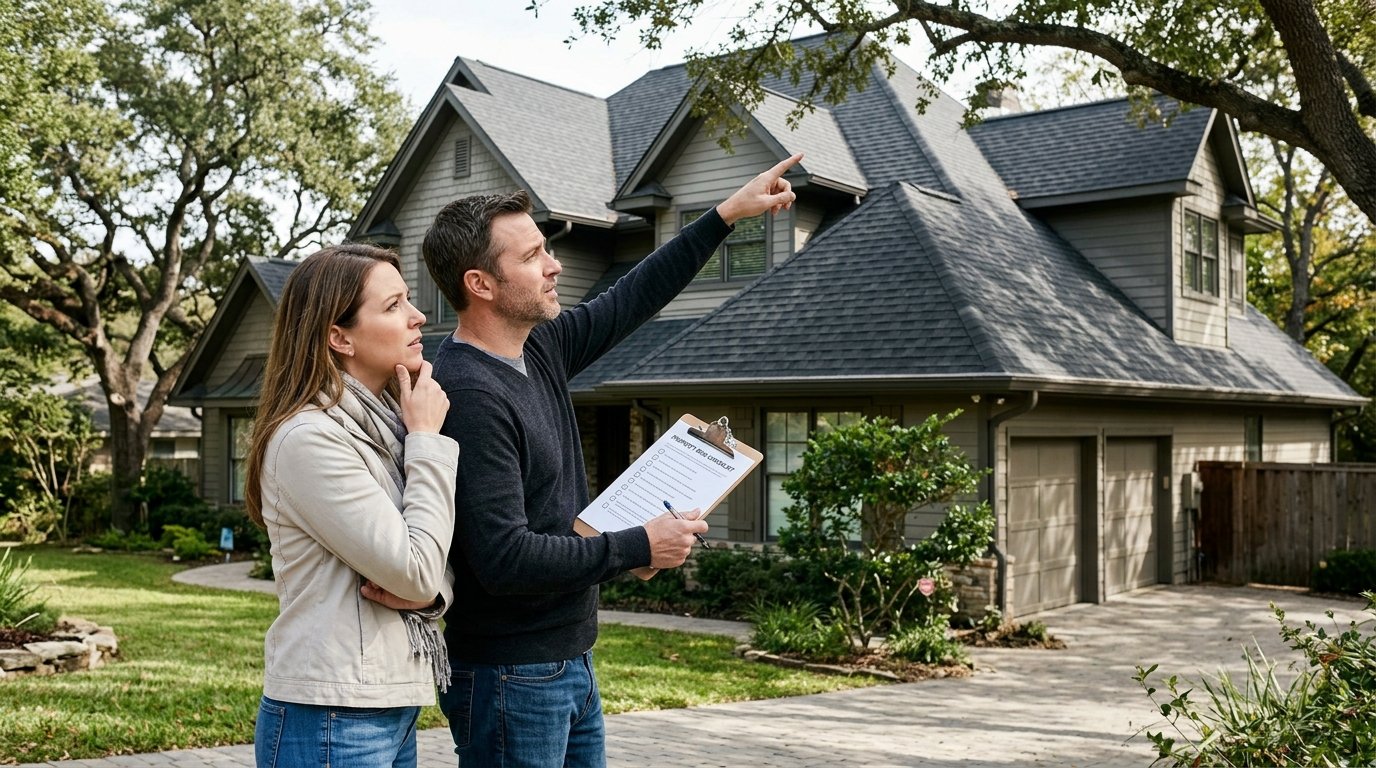
Homeowners insurance renewal is an important opportunity to reassess the condition of a property and identify risks that could affect coverage, premiums, or the insurer’s willingness to continue providing protection. A policy that adequately covered a home several years ago may no longer reflect its current condition, rebuilding requirements or exposure to damage.
Roof deterioration, aging plumbing, outdated electrical systems, drainage problems, overgrown trees and changes in the surrounding environment can all influence how insurers evaluate residential properties. Some issues may increase the likelihood of a claim, while others can create coverage gaps that become apparent only after significant damage occurs.
Insurers may also conduct property inspections, review aerial photographs, or use other underwriting information when deciding whether to renew a policy. The Connecticut Insurance Department, for example, explains that insurers may examine roof age and condition, while Florida’s Department of Financial Services identifies property maintenance, electrical systems, plumbing, and potential hazards as factors that may be considered during underwriting.
Before automatically accepting a renewal offer, homeowners should examine the following six property risks.
1. Roof Deterioration and Signs of Structural Damage
The roof is one of the most important parts of a home’s protection against weather-related damage. It shields the structure from rain, wind, hail, sunlight and other environmental conditions. When roofing materials deteriorate or become damaged, the possibility of water intrusion and more extensive structural problems can increase.
For insurers, the roof’s condition is particularly important because roof-related incidents can result in expensive claims. A small area of missing shingles may allow water to enter the home, potentially damaging ceilings, insulation, electrical components and interior finishes.
Before renewing homeowners insurance, inspect the roof for:
- Missing, cracked, curled or lifted shingles.
- Damaged flashing around chimneys, vents, and roof openings.
- Loose or deteriorating roofing materials.
- Signs of water penetration in the attic.
- Moss, excessive debris or vegetation buildup.
- Sagging sections or visible structural irregularities.
- Unrepaired damage from previous storms.
Roof age is also worth reviewing, but homeowners should distinguish between age and actual physical condition. An older roof that has been properly maintained may present a different risk from a relatively new roof with significant damage.
The Connecticut Insurance Department’s February 2026 advisory explains that insurers commonly evaluate roof age and physical condition, including missing, lifted, curled, cracked or deteriorated shingles. It also notes that insurers may use aerial imagery as an initial screening tool and arrange physical inspections when necessary.
Homeowners should not assume that every insurer applies the same roof-age requirements. Underwriting guidelines and state regulations differ. For example, Texas issued a clarification in September 2026 stating that insurers cannot decline or nonrenew a homeowners policy solely because of the age of a house or roof, although physical condition can still be considered.
What to do before renewal:
Arrange a professional roof inspection if there are signs of deterioration or if the insurer has raised concerns. Keep photographs, inspection reports, repair invoices, and documentation of any roof replacement. If the insurer identifies a problem, request a clear explanation of the specific condition that needs attention rather than relying on a general statement about roof age.
Also review the policy’s roof settlement provisions. Some policies may use actual cash value rather than replacement cost for certain roof losses, while others may impose special limitations or deductibles. The renewal review should consider both the roof’s physical condition and the financial protection available if it is damaged.
2. Aging Plumbing Systems and Hidden Water Damage Risks
Plumbing problems can create significant property damage without producing obvious warning signs. A slow leak behind a wall, a deteriorating supply line, or a damaged pipe beneath a floor may continue for weeks before the homeowner notices visible signs of moisture.
By that point, water may have damaged drywall, flooring, cabinets, insulation and other building materials. Prolonged moisture can also contribute to mold growth and expensive remediation work.
Insurers may pay attention to plumbing age, condition, previous water losses, and evidence of inadequate maintenance when evaluating a property. Florida’s Department of Financial Services identifies plumbing as one of the major systems that may be reviewed during inspections of older homes.
Before renewal, homeowners should investigate:
- Corroded or leaking pipes.
- Old supply lines connected to washing machines and dishwashers.
- Dripping faucets and toilets.
- Water stains on ceilings and walls.
- Dampness beneath sinks and around appliances.
- Signs of previous pipe bursts or repeated leaks.
- Poorly maintained water heaters.
- Drainage problems around bathrooms, kitchens and utility rooms.
The age and material of plumbing components can also matter. Older piping systems may have different maintenance requirements and potential failure risks from newer materials.
Homeowners should pay particular attention to previous water claims. Repeated incidents involving the same plumbing problem may suggest that the underlying issue was never fully corrected. Simply repairing visible damage without addressing the source of a leak can leave the property exposed to another loss.
Another important issue is the difference between water damage and flood damage. Standard homeowners insurance may cover certain sudden and accidental water losses, such as qualifying damage from a burst pipe, but it generally does not cover flooding caused by rising groundwater, overflowing bodies of water, or surface runoff. Policy wording and exclusions determine the actual protection available.
What to do before renewal:
Have a licensed plumber inspect questionable pipes, water heaters, and connections. Repair active leaks and keep records of completed work. If the home has experienced previous water damage, verify that the underlying cause has been resolved.
Ask the insurer whether water backup coverage is included, whether a separate endorsement is available, and what limitations apply to gradual leaks, seepage and mold related damage. Homeowners in flood exposed locations should also assess whether separate flood insurance is necessary.
3. Outdated Electrical Systems and Potential Fire Hazards
Electrical problems are another important risk to examine before renewing homeowners insurance. Faulty wiring, overloaded circuits, damaged electrical panels and poorly installed electrical equipment can increase the possibility of a residential fire.
A home may appear structurally sound while containing electrical components that have deteriorated over time. Older properties can be particularly challenging because their electrical systems may not have been designed to accommodate modern appliances, heating equipment, home offices and other power demands.
Insurers may consider the condition and type of electrical wiring or panel equipment during underwriting inspections. Florida’s Department of Financial Services specifically identifies certain wiring and electrical panel types as potential hazards that insurers may examine.
Homeowners should look for warning signs such as:
- Frequently tripped circuit breakers.
- Flickering lights or inconsistent power.
- Burning odors near outlets or electrical panels.
- Discolored or warm electrical outlets.
- Damaged wiring or exposed electrical components.
- Extension cords being used as permanent wiring.
- Overloaded power strips.
- Unusual buzzing or crackling sounds from electrical equipment.
These warning signs should not be ignored. Some electrical problems are hidden behind walls or inside panels, making a professional inspection particularly important when a property has an older system or a history of electrical issues.
Homeowners should also review electrical upgrades completed during the previous policy year. Installing new appliances, adding rooms, converting a garage or expanding a home office can change electrical demand and may require professional updates.
What to do before renewal:
Have a licensed electrician investigate recurring electrical problems and assess the condition of the electrical panel, wiring, and other relevant components. Keep invoices and inspection records for completed upgrades.
If the insurer requests documentation about an electrical system, provide accurate records rather than assuming that a previous inspection or repair automatically satisfies its underwriting requirements.
A documented electrical upgrade may help address an underwriting concern, but it does not guarantee a lower premium or renewal approval. The insurer’s guidelines and the actual condition of the property remain important.
4. Poor Drainage, Flood Exposure and Water Accumulation Around the Property
Water-related property risks extend beyond plumbing. The land surrounding a home can influence how rainwater moves, where it accumulates and whether it reaches the foundation or enters lower levels of the building.
A property with inadequate drainage may experience repeated water accumulation after heavy rainfall. Over time, this can contribute to foundation problems, basement moisture, soil erosion, and damage to exterior structures.
Before renewal, homeowners should assess how the property handles water during storms.
Important areas to inspect include:
- Gutters and downspouts that are blocked or damaged.
- Downspouts discharging water too close to the foundation.
- Soil that slopes toward the house.
- Low areas where rainwater regularly collects.
- Cracked or deteriorating foundation sections.
- Poorly maintained drainage channels.
- Basement walls showing signs of moisture.
- Sump pumps that are unreliable or improperly maintained.
The property’s broader flood exposure also deserves attention. A home that has never experienced flooding may still face increased exposure if surrounding development changes drainage patterns or local flood conditions evolve.
The Federal Emergency Management Agency’s flood maps can help homeowners understand mapped flood exposure, although a property’s flood risk is not necessarily eliminated simply because it falls outside a designated high risk flood zone.
One major coverage issue is that standard homeowners insurance generally excludes flood damage. The NAIC explains that damage from groundwater, runoff, and similar flooding is generally not covered by an ordinary homeowners policy. Separate flood insurance may be needed through the National Flood Insurance Program or a private insurer.
Homeowners should also distinguish flood damage from sewer or drain backup. These are not necessarily treated as the same type of loss and water backup coverage may require a separate endorsement.
What to do before renewal:
Clean gutters, repair damaged drainage systems, and address water accumulation around the foundation. Consider a professional drainage assessment if the property repeatedly experiences standing water or basement moisture.
Review available flood maps and ask the insurer whether the policy includes water backup coverage. If flood exposure is a concern, obtain separate flood insurance quotes and compare building and contents limits, exclusions, deductibles and waiting periods.
The objective is to avoid assuming that a standard homeowners policy covers every form of water damage.
5. Overgrown Trees, Exterior Hazards and Poor Property Maintenance
The condition of a home’s exterior can influence both the probability and potential severity of property damage. Trees with dead branches, neglected landscaping, damaged fences, unstable outdoor structures, and poorly maintained walkways may create risks that homeowners overlook during routine insurance renewals.
For example, a dead tree branch hanging above a roof may fall during a storm and damage shingles, gutters, or exterior structures. Overgrown vegetation near a building may also create maintenance problems or increase exposure to certain environmental hazards.
Insurers may evaluate exterior maintenance during underwriting inspections. Florida’s Department of Financial Services identifies overgrown grass and weeds, trees with dead limbs near homes, unrepaired damage and certain property hazards as examples of conditions that may be considered during inspections.
Homeowners should review the following:
Trees and vegetation
Look for dead branches, unstable trees, vegetation touching the roof, and landscaping that blocks access to the property. Trees near power lines or structures may require professional attention.
Walkways, stairs and handrails
Cracked paths, loose steps, damaged decks and missing handrails can increase the possibility of injuries involving visitors or residents. These conditions may also create personal liability concerns.
Fences, sheds and detached structures
Inspect fences, detached garages, storage sheds, retaining walls, and other structures for deterioration or instability. Damage to these features may require repairs and could affect the property’s overall risk profile.
Swimming pools and recreational equipment
Pools, trampolines, and other recreational features can introduce additional liability exposures. Homeowners should confirm that their insurer knows about these features and understand any safety requirements, exclusions, or liability limitations.
Fire hazards and combustible materials
Remove excessive debris and maintain reasonable clearance around the home where appropriate. In wildfire exposed areas, vegetation management and defensible-space measures may help reduce exposure.
Wildfire mitigation is particularly relevant for properties near dry vegetation or wooded areas. Homeowners should investigate local recommendations for vegetation management, combustible materials, and other protective improvements.
What to do before renewal:
Remove dead branches, repair damaged walkways, maintain outdoor structures and address visible hazards. If a property includes a swimming pool, trampoline or other feature that may affect liability underwriting, disclose it accurately and ask whether additional safety measures are required.
Keep photographs and invoices documenting significant maintenance work. If an insurer’s inspection identifies a specific concern, request details and address the issue within the timeframe provided.
6. Changing Property Conditions and Newly Developed Risks
A property can become more exposed to damage even when the homeowner has not made any major changes. New construction nearby, altered drainage patterns, changing weather conditions, and deteriorating infrastructure can affect the risks associated with a home.
At the same time, improvements made by the homeowner may introduce new exposures or change the amount of insurance required.
For example, installing a swimming pool, building a detached garage, adding a wooden deck, or converting part of the home into a rental space can affect how insurers assess the property.
The NAIC identifies remodeling, new purchases, security equipment, pets, home businesses, construction materials, and proximity to fire protection as factors homeowners should consider during annual policy reviews.
Before renewal, review changes in the following areas.
Home renovations and additions
New rooms, extensions, upgraded kitchens, finished basements, and other improvements may increase the cost of rebuilding the property. If the dwelling coverage limit has not been reviewed, the existing amount may no longer reflect the home’s current replacement cost.
New structures and outdoor features
A newly installed pool, deck, fence, detached garage or workshop may require updated coverage information. Homeowners should verify whether these structures fall within existing coverage limits or need additional protection.
Changes in occupancy
Renting out a room, listing the property for short-term stays, or leaving the home vacant for an extended period may affect coverage eligibility and policy requirements. A standard owner-occupied homeowners policy may not be suitable for every change in how the property is used.
Local environmental exposure
New development, changes to nearby vegetation, altered drainage and evolving wildfire or storm exposure may justify a fresh review of the property’s protection needs.
Changes in emergency access
Construction, road changes, or changes in nearby fire protection infrastructure may influence the property’s risk profile. Insurers can consider local fire protection, including access to fire services and water supplies, when evaluating homeowners insurance.
What to do before renewal:
Prepare a list of renovations, additions, new structures, occupancy changes, and significant neighborhood developments that occurred during the previous year. Give the insurer accurate information and ask whether any changes require updated coverage, endorsements or a different policy type.
Also request an updated rebuilding estimate where substantial improvements have been made. The goal is to ensure that the policy reflects the property that exists today, not the home as it was when the original policy was purchased.
A Practical Property Risk Checklist Before Renewal
Homeowners can use this checklist to organize a review before contacting their insurance company.
| Property area | What to inspect or verify |
| Roof | Missing shingles, leaks, flashing, deterioration, and repair records |
| Plumbing | Pipe condition, water leaks, water heater and previous water damage |
| Electrical system | Wiring, panel condition, overloaded circuits and professional upgrades |
| Foundation and drainage | Cracks, standing water, gutters, downspouts and basement moisture |
| Trees and landscaping | Dead branches, vegetation near the home, and wildfire exposure |
| Exterior structures | Fences, decks, sheds, garages, stairs and retaining walls |
| Pools and recreational features | Safety barriers, maintenance and liability requirements |
| Renovations | New rooms, upgraded materials, and changes to rebuilding costs |
| Occupancy | Rental activity, vacant periods or changes in property use |
| Environmental exposure | Flood, wildfire, windstorm, hail and earthquake risks |
After completing the review, homeowners should organize photographs, inspection reports, repair invoices, renovation documents and any correspondence from the insurer. These records can help demonstrate that identified problems have been addressed.
Questions to Ask Your Insurer Before Renewing
A property inspection or underwriting notice should not be the only time homeowners discuss risk with their insurance company. Asking questions before the renewal deadline can help identify coverage gaps and avoid unexpected changes.
Consider asking:
- Has the insurer identified any new property risks since the previous renewal?
- Does the roof’s current condition affect eligibility, settlement terms or the renewal premium?
- Are there new requirements involving plumbing, electrical systems, or property maintenance?
- Have any coverage limits, exclusions, or deductibles changed?
- Does the policy provide adequate protection for recent renovations and new structures?
- Are flood, water backup, windstorm, or other location-specific risks covered?
- Would documented improvements qualify for any available discounts?
- What repairs or documentation are required before the renewal date?
If the insurer identifies a condition that could affect renewal, request the explanation in writing. Review the relevant policy provisions and any applicable state rules. Nonrenewal notice periods and consumer rights vary by state, so homeowners should not assume that the same requirements apply nationwide.
Final Thoughts
Renewing homeowners insurance should involve more than checking the new premium and making a payment. The condition of the roof, plumbing, electrical system, foundation, drainage, landscaping, and exterior structures can influence the property’s exposure to damage and the insurer’s underwriting decisions.
Homeowners should also consider whether renovations, occupancy changes, new outdoor features, or changing environmental conditions have altered their insurance needs. Addressing physical hazards before renewal may help reduce the likelihood of preventable damage and provide useful documentation if an insurer raises concerns.
Most importantly, a property that has been maintained does not automatically have complete insurance protection. Flooding, earthquakes, water backup and other specific risks may require separate coverage or endorsements. Reviewing those gaps alongside the home’s physical condition can help households make more informed renewal decisions.
A careful annual assessment gives homeowners a better opportunity to address problems before they become expensive claims or renewal complications.