

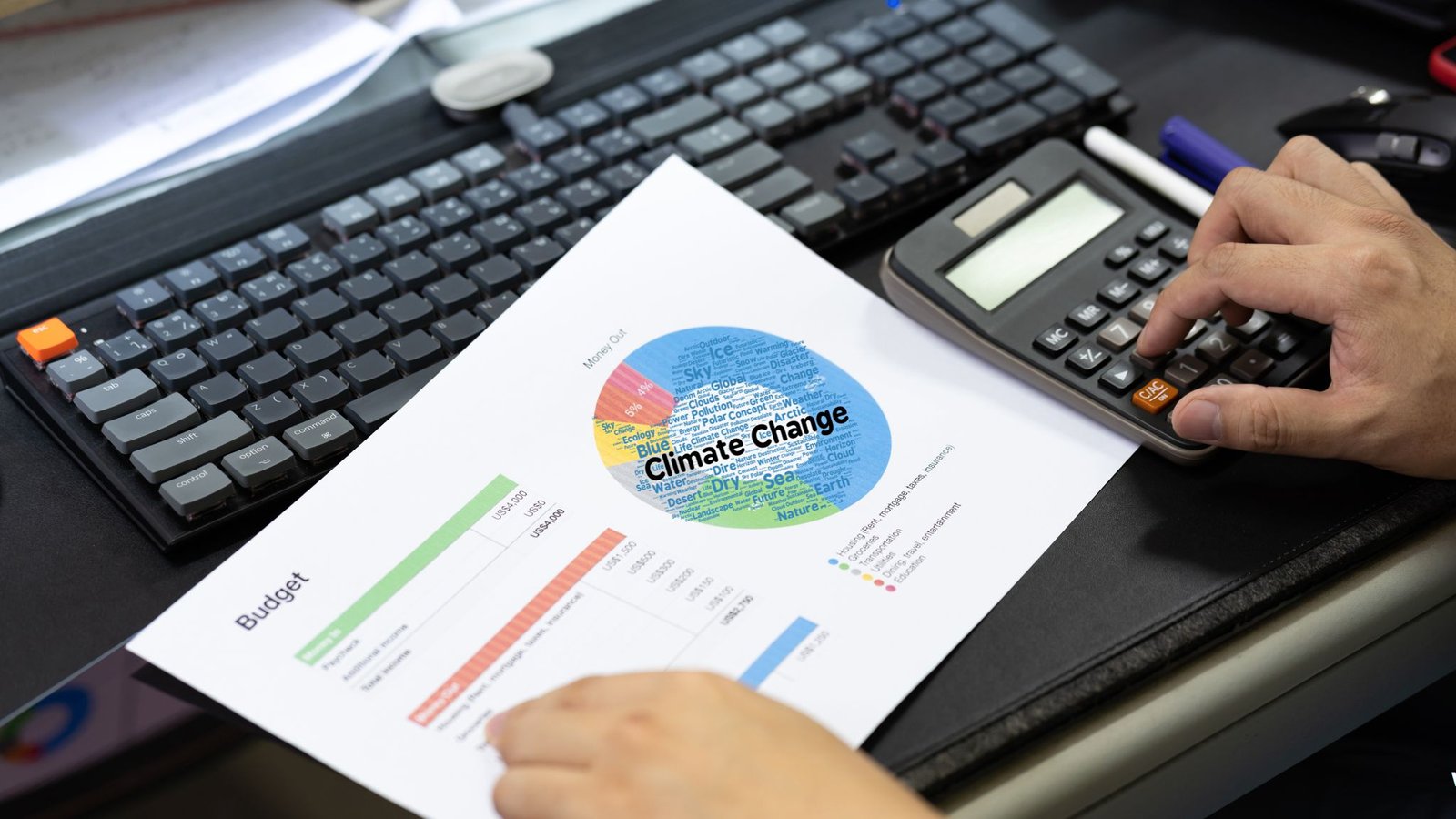
For years, climate change was treated as a national or global challenge, something for policymakers, insurance companies, and environmental agencies to solve. But in 2026, the financial consequences have moved directly into American homes. The cost of living is rising not only because of inflation or interest rates, but because climate volatility now affects nearly every category of household spending.
Climate risk has become a budget line.
For millions of families already managing tight margins, the economic shift has been gradual, then sudden: higher insurance premiums, more expensive home repairs, steeper utility bills, and new local taxes linked to disaster recovery. The climate debate may remain political, but the financial burden is strikingly personal.
Insurance Premiums: The First Place Households Feel It
The most visible pressure point is insurance. Home insurance premiums have risen at their fastest pace in decades, especially in states facing hurricanes, wildfires, or severe flooding. Several major insurers have scaled back coverage or exited high-risk markets entirely, leaving homeowners with fewer and pricier options.
Auto insurance is feeling the same strain. Increased flooding, hailstorms, and storm-related collisions have pushed claims higher nationwide. Even drivers in low risk regions are absorbing the cost of a more volatile environment.
In effect, insurance is transitioning from a protection against accidents to a direct reflection of environmental instability. Households are paying not just for coverage, but for climate exposure.
Emergency Savings Are Expanding And Not Because of Job Loss
Traditionally, financial planners recommended emergency savings equal to a few months of expenses. Today, families are being urged to maintain additional reserves specifically for climate-related events: evacuations, temporary housing, generator costs, rapid home repairs, and higher deductibles.
Even regions without hurricanes or wildfires are feeling the pressure. Winter freezes, heat waves, and power outages have become more frequent and more expensive. For many households, a “climate emergency” is no longer theoretical; it’s a recurring risk that demands real money.
Resilience Upgrades Are Becoming Mandatory, Not Optional
Once considered long term home improvements, climate resilience upgrades are now essential maintenance. Homeowners in storm-prone states must reinforce roofs and replace outdated materials. Those in wildfire regions invest in fire resistant siding and defensible landscaping. Flood exposed communities elevate mechanical systems and install water management improvements.
These upgrades protect property values and in some cases, preserve access to insurance but they come with significant price tags. More families are treating resilience as an annual cost rather than a one time project.
Regional Pressures Are Reshaping Affordability
A new economic divide is emerging between climate safe regions and high risk zones. States in the Upper Midwest and Northeast are seeing rising demand from climate migrants, pushing home prices and living costs upward. Meanwhile, homeowners in parts of Florida, California, Texas, and Louisiana face insurance instability, declining affordability, and in certain cases falling home values.
Climate risk is beginning to influence relocation decisions, mortgage planning, and long-term financial strategies. The question many families now ask is no longer just “Can we afford this home?” but “Can we afford this region long term?”
Utilities and Local Governments Are Quietly Adding Costs
Beyond insurance and housing, utilities are introducing new climate related fees. Power grids overloaded by heat waves and storms require billion dollar upgrades. Water systems strained by drought and flooding need investment. Local governments are rebuilding roads, drainage systems, and coastal defenses.
To fund these efforts, many municipalities have added:
- Infrastructure surcharges
- Storm resilience fees
- Seasonal utility rate adjustments
- Disaster recovery assessments
These increases rarely make headlines, but they show up on monthly bills and rarely disappear once added.
A New Model of Household Risk
For decades, climate risk was absorbed by federal programs, insurers, and state governments. That model is eroding. Today’s families are expected to self-insure more often, maintain larger emergency reserves, invest in property upgrades, and prepare for disruptions that were once rare.
The climate era is redefining the financial baseline for American households. Budgets are expanding to include risks that previous generations didn’t have to calculate.
Climate volatility is no longer a distant environmental issue. It is a financial reality shaping how Americans budget, save, repair their homes, and plan for the future. The cost of living is rising not only because of economic forces, but because the environment itself has become unpredictable.
The question for families is not whether climate related expenses will touch their budgets but how quickly they can adapt to a future where climate risk is part of everyday financial life.
In another related article, Why Owning Still Costs More Even When Mortgage Rates Stabilize