

HomeReal EstateWhy Owning a Home...

Why Owning a Home Now Requires Financial Endurance

Homeownership has long been a cornerstone of financial stability. But today, it feels less like a milestone and more like a test of endurance. Rising costs, shifting markets, and unexpected expenses are reshaping what it means to truly “own” a home.

The Rising Cost of Entry

Home prices continue to outpace wage growth in many markets. According to data from the U.S. Census Bureau, median home prices have increased faster than median household income in over half of major metropolitan areas. For first time buyers, this means larger mortgages, higher down payments, and extended timelines to reach financial readiness.

Mortgage Rates Add Pressure

Even modest increases in mortgage rates can significantly affect monthly payments. A 1% rate increase on a $300,000 mortgage can add hundreds of dollars per month. Many households are finding that budget buffers that once seemed adequate are now stretched thin.

Hidden and Ongoing Costs

Owning a home is more than the mortgage. Property taxes, insurance, maintenance, and unexpected repairs all demand attention. According to the National Association of Home Builders, the average homeowner spends approximately 1-3% of their home’s value annually on upkeep. For high maintenance properties or older homes, those costs can climb sharply.

Financial Endurance, Not Just Wealth

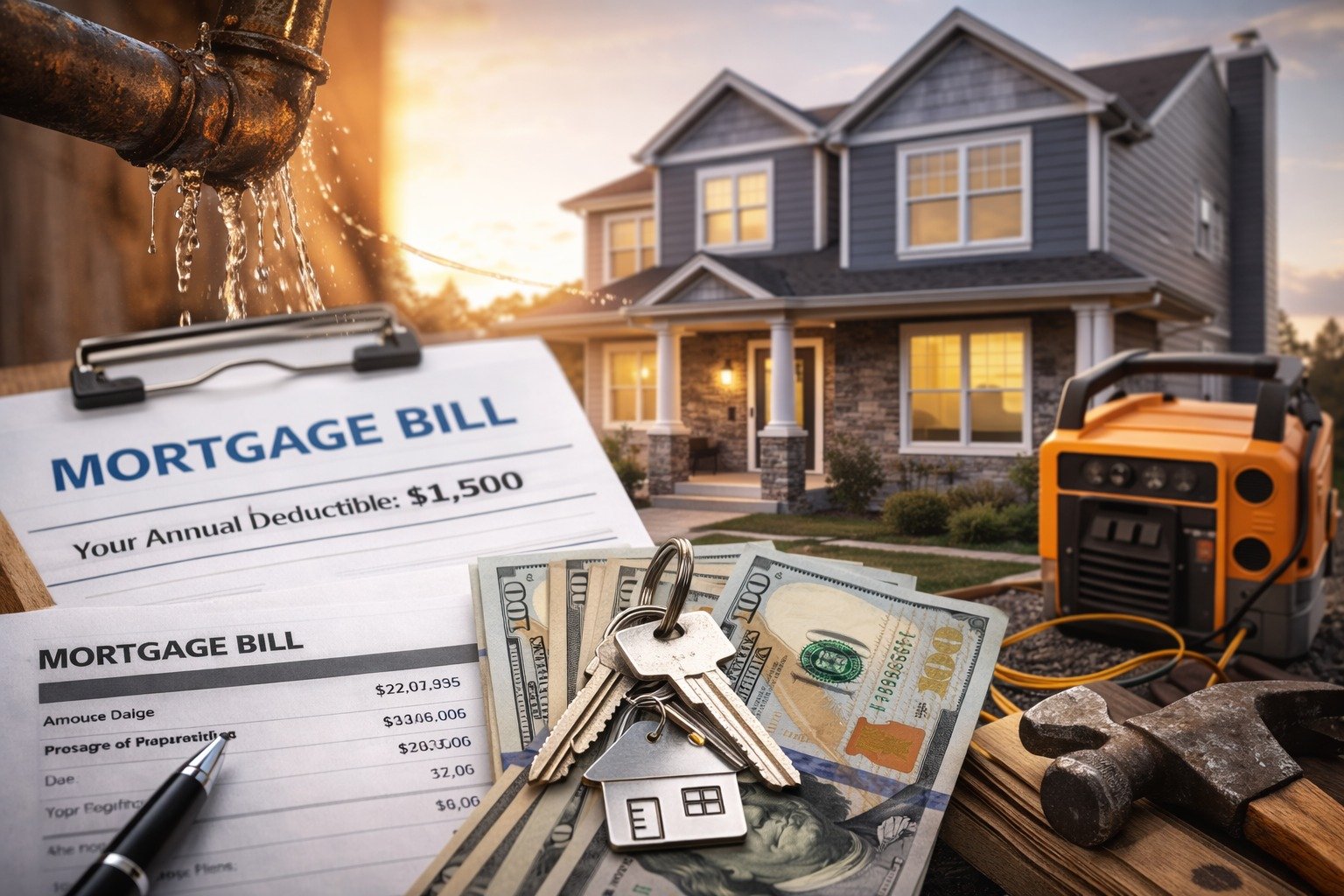
The new reality of homeownership isn’t about acquiring an asset alone; it’s about sustaining it. Families must anticipate both planned expenses and unexpected shocks, everything from roof replacements to emergency plumbing repairs. Those who approach homeownership without adequate buffers risk financial stress, even in relatively stable economic periods.

Strategic Approaches

To navigate this landscape, households are adapting:

  • Prioritize emergency funds: Keeping a separate reserve for home-related expenses is critical.
  • Budget beyond the mortgage: Include taxes, insurance, and maintenance in monthly calculations.
  • Evaluate affordability realistically: Avoid stretching to the maximum loan possible.
  • Consider location trade-offs: Smaller homes or emerging neighborhoods may offer a more sustainable path.

Owning a home today demands more than income, it requires endurance, foresight, and resilience. For many Americans, achieving homeownership is only the beginning. Sustaining it amid rising costs, complex financial obligations, and unexpected repairs is the real challenge.

Homeownership remains a goal worth pursuing, but it’s increasingly a long-term financial commitment, not just a symbol of achievement.

In another related article, When Repair Inflation Outpaces Home Appreciation

- Advertisement -

spot_img

Most Popular

LEAVE A REPLY

Please enter your comment!
Please enter your name here

More from MT

The Real Reason Banks Love Cash Out Refinances

For decades, refinancing has been one of the most important tools...

Why HELOC Demand Often Increases During Financial Uncertainty

Periods of financial uncertainty often change the way consumers think about...

How Much Debt Is Too Much? A Practical Household Guide

Debt has become a normal part of modern household finances. For many...

Will Digital Lenders Overtake Traditional Banks in Mortgage Origination?

For generations, obtaining a mortgage was closely associated with traditional banks....

- Advertisement -

Related News

The Real Reason Banks Love Cash Out Refinances

For decades, refinancing has been one of the most important tools available to homeowners looking to adjust their mortgage strategy. Traditionally, most borrowers viewed refinancing as a way to secure a lower interest rate, reduce monthly payments or change the structure of their mortgage. However, one form...

Why HELOC Demand Often Increases During Financial Uncertainty

Periods of financial uncertainty often change the way consumers think about money. When households face rising costs, unpredictable economic conditions, concerns about job stability, or uncertainty around future income, financial priorities tend to shift. Instead of focusing only on wealth accumulation, many consumers begin looking for flexibility,...

How Much Debt Is Too Much? A Practical Household Guide

Debt has become a normal part of modern household finances. For many consumers, borrowing is not necessarily a sign of financial trouble. Mortgages help families purchase homes, auto loans provide transportation, student loans can support education and credit cards offer convenience and short term flexibility. The challenge is not...

Will Digital Lenders Overtake Traditional Banks in Mortgage Origination?

For generations, obtaining a mortgage was closely associated with traditional banks. Homebuyers and homeowners looking to refinance typically visited a local branch, met with a loan officer, completed extensive paperwork, and relied on established banking relationships to guide one of the largest financial decisions of their lives. That...

Why More Borrowers Are Combining Side Income With Debt Reduction Plans

The traditional approach to paying down debt has usually focused on one strategy: reduce spending and use existing income to make larger payments. While budgeting remains an important part of debt management, a growing number of consumers are approaching debt reduction differently. Instead of relying only on cutting...

The Role of HELOCs in Homeowner Wealth Strategies

For many households, a home is more than just a place to live; it is their largest financial asset. Over time, as mortgage balances decline and property values appreciate, homeowners gradually build equity that can significantly contribute to their overall net worth. Traditionally, this equity has been...