

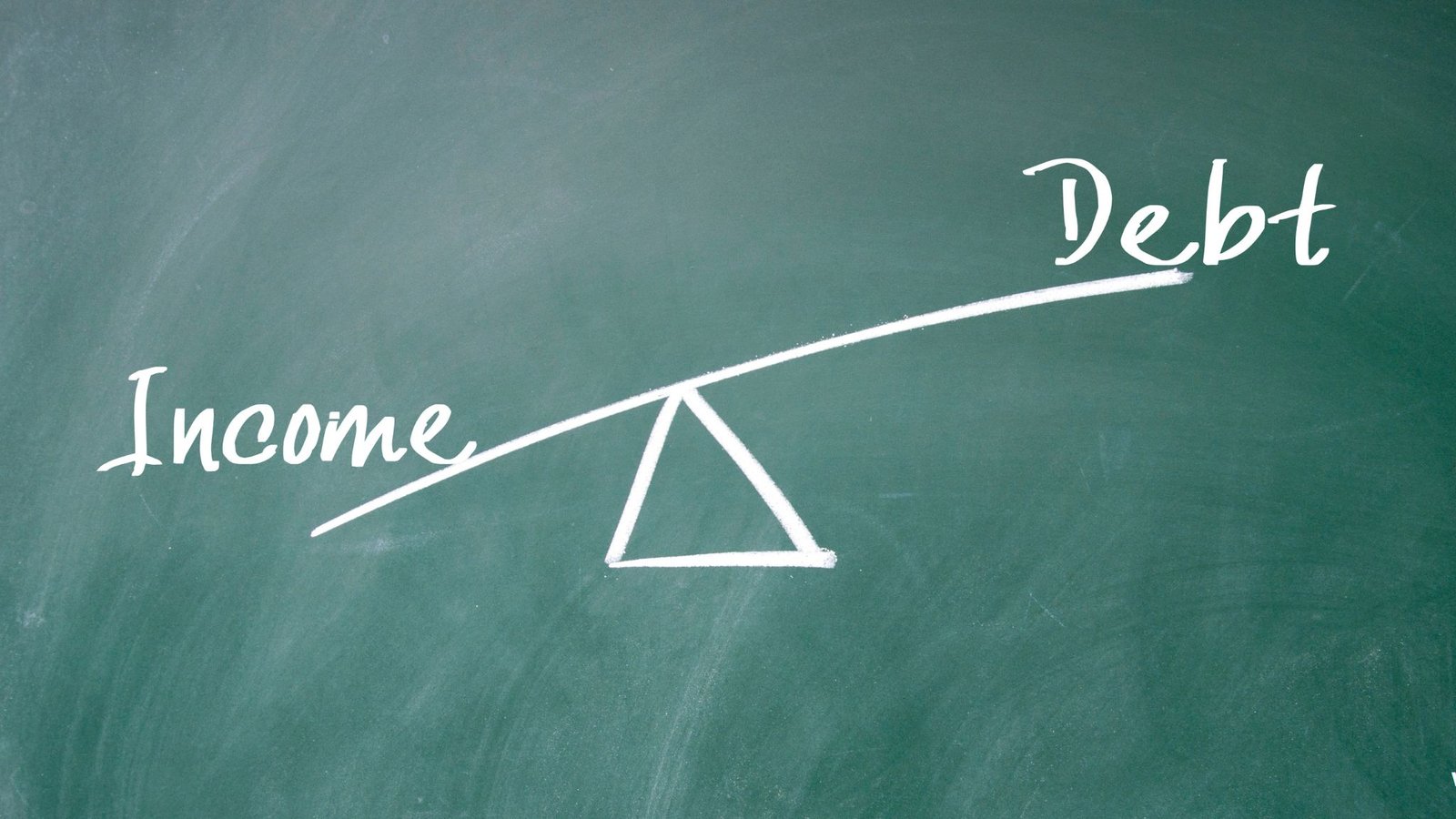
By nearly every traditional measure, the American consumer entered 2025 looking resilient. Employment remains historically strong. Wage growth, while moderating, has outpaced pre-pandemic norms. Household balance sheets initially benefited from stimulus savings and aggressive refinancing during the low-rate era.
Yet beneath the surface, the risk profile of American debt has quietly transformed and not for the better.
Total household debt now exceeds $17.7 trillion, according to the Federal Reserve Bank of New York, with records set across credit cards, auto loans, and buy-now-pay-later financing. Delinquencies, particularly among younger borrowers and lower-income households, are beginning to climb not yet to crisis levels, but unmistakably toward stress.
This combination of high employment paired with rising delinquency raises an uncomfortable question: What would the next recession look like when so many households are already financially stretched?
The Nature of Consumer Debt Has Changed
The last major recession in 2008 was driven by mortgage failures and housing leverage. Household vulnerability was concentrated in home values and adjustable-rate housing finance. Today’s debt landscape looks entirely different.
Instead of long-term secured borrowing, consumers are increasingly dependent on short-duration, high interest credit instruments:
- Credit card balances near historic highs
- Auto loan payments averaging hundreds of dollars per month longer than in prior decades
- Explosive growth of BNPL (buy now, pay later) micro loans
- Expanding use of personal installment loans to cover everyday expenses
What distinguishes today from past cycles is the velocity of repayment obligations relative to income. Much of this debt resets interest monthly, carries elevated APRs, and offers little refinance flexibility. Consumers don’t have time on their side, missed paychecks or medical costs can produce near-immediate cash crises.
Debt has become less structural and more behavioral financing stability rather than investment.
Wage Growth Isn’t Restoring Financial Breathing Room
Nominal wages rose meaningfully from 2021 through 2024. However, adjusted for persistent inflation, real purchasing power has largely stagnated for most households below the top income quartile.
Rising fixed expenses now absorb a greater share of take home pay:
- Housing costs remain elevated despite cooling home prices
- Insurance premiums continue climbing well above general inflation
- Healthcare deductibles and service gaps widen
- Auto ownership costs surge from insurance, financing, and maintenance
The result is a squeeze: income may be rising but free cash flow is shrinking.
More families now manage household budgets where even moderate income disruptions reduced hours, medical events, or unexpected repairs require credit dependence.
Debt, rather than savings, has quietly replaced emergency funds.
Delinquencies Are Rising But Not Evenly
Aggregate delinquency rates remain below pre-pandemic norms, which has led to a narrative of consumer stability. But sector-level data reveals concentrated stress:
- Younger borrowers (ages 25-39) display the fastest rise in credit card failures
- Subprime auto loans are under pressure as repossession rates climb
- Lower-income renters are disproportionately reliant on revolving credit to cover rent or utilities
Meanwhile, affluent households remain relatively insulated benefiting from asset appreciation and fixed-rate mortgages.
This bifurcation means the next downturn is likely to unfold unevenly, producing localized credit collapses rather than uniform national contraction.
A Different Kind of Recession Candidate: Cash-Flow Recession
Unlike asset-driven recessions of the past, the next downturn may be characterized less by collapsing prices and more by household liquidity failures.
Small income instability multiplied by heavy recurring obligations could create systemic consumption slowdowns:
- Reduced discretionary spending cascades to retail and travel sectors
- Payment stress increases default momentum
- Credit tightening further constrains short-term borrowing
The recession trigger may not come from credit markets or banks but from everyday households simply reaching a repayment ceiling.
In effect, the economy risks entering a cash flow recession, where spending pulls back not due to falling wealth but due to operational insolvency at the household level.
Debt Relief as an Emerging Shock Absorber
One of the potential wild cards in this recession narrative is the changing role of debt relief programs.
Unlike in prior downturns, consumer insolvency options are now more normalized including negotiated settlements, hardship programs, forbearance plans, and debt management platforms.
Ironically, this could moderate recession severity by forestalling immediate defaults functioning as an informal stabilization mechanism. But this also masks deeper financial deterioration while increasing long term household credit damage.
Relief may delay defaults but not cure underlying debt accumulation.
Why the Banking System May Not Be the Flashpoint
Post-2008 reforms substantially strengthened bank capital requirements and loan underwriting standards.
Mortgage leverage is notably healthier today. Default risks remain more concentrated in unsecured consumer channels credit cards, personal loans, and auto financing held by diversified lenders and specialty firms.
Losses in this environment may be painful but diffuse, unlikely to threaten systemic banking stability but capable of weakening consumer credit markets and tightening liquidity rapidly.
This creates a paradox: financial institutions may weather the storm while households struggle.
The Psychological Debt Factor
Debt fatigue also represents a growing but underappreciated force.
Surveys consistently show Americans reporting heightened financial anxiety despite improving economic headlines. The normalization of revolving debt as lifestyle support erodes both confidence and resilience.
Instead of fearing unemployment or housing downturns specifically, consumers increasingly fear destabilization that one missed week of pay or one broken transmission could unravel their financial structure.
That sense of instability shapes spending behavior, reinforcing the caution cycle that accelerates slowdown during recession conditions.
What the Next Recession Could Look Like
Rather than a spectacular collapse, the next downturn may resemble an extended economic grind:
- Consumer weakness led by debt burden rather than asset collapses
- Sharp spending retrenchment without headline unemployment spikes
- Rising insolvency below the top income tiers
- Gradual tightening of consumer credit access
The shock would be less cinematic but longer, quieter, and harder for households to escape.
A New Vulnerability Model
America enters its next recession not overleveraged on housing but overexposed to daily finance dependency.
This is a less visible vulnerability. But it may prove more destabilizing because debt now represents operating capital for millions of families, money used not for wealth-building but survival.
And once debt becomes a substitute for an income buffer, recessions stop being cyclical events and begin behaving more like cascading personal crises spreading from household to household instead of sector to sector.
Understanding this shift matters for policymakers and consumers alike.
Traditional stimulus solutions aimed at asset markets or interest rates may do little to restore household stability if debt saturation remains the core problem. True resilience depends less on broad macro growth and more on restoring the financial margin most households have lost: savings capacity.
Until that margin returns, the next recession may arrive not with a crash but with a quiet, relentless squeeze.
In another related article, Auto Insurance Inflation: The Hidden Economic Story No One Is Talking About