

HomeOpinionHow Insurance Complexity Is...

How Insurance Complexity Is Shaping Consumer Trust in the Industry

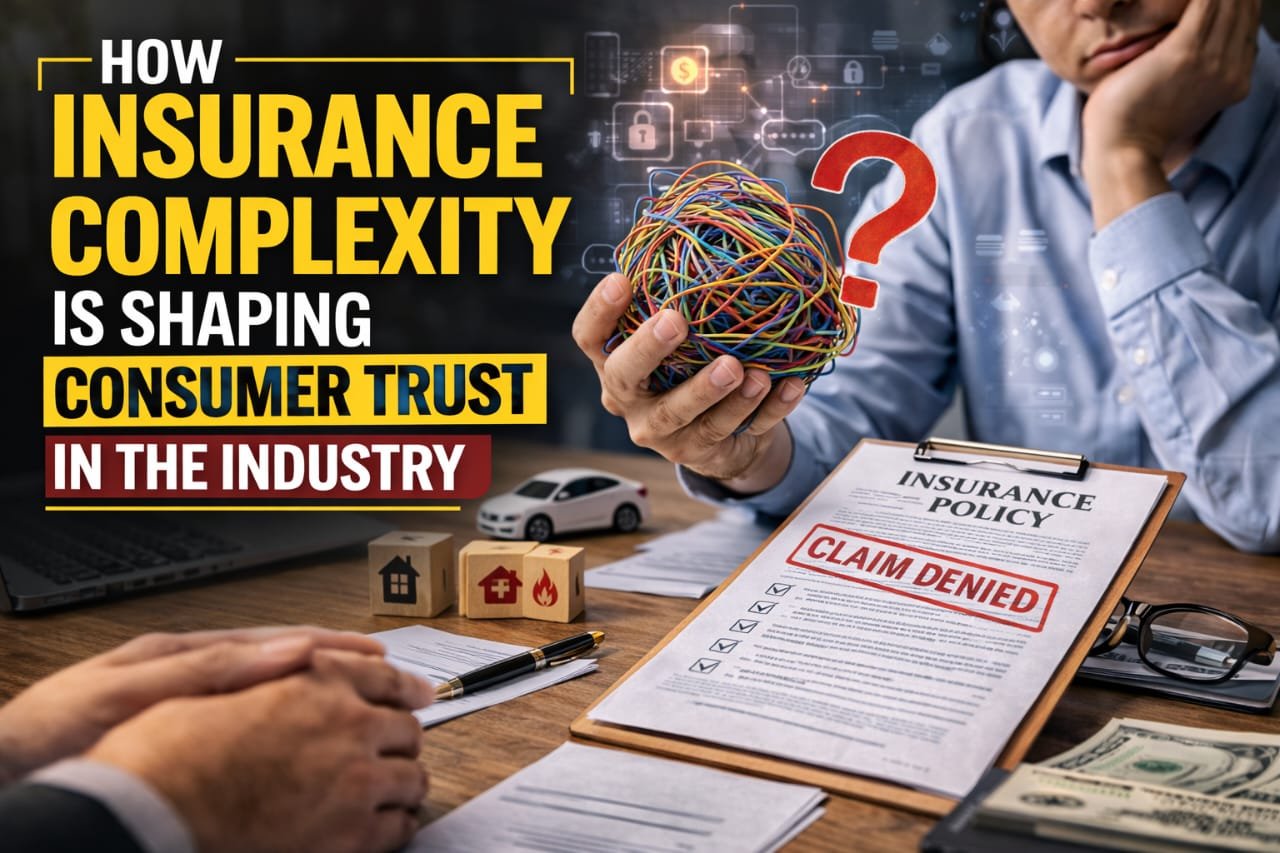
Insurance has grown increasingly complex over the past decade. Policies feature layers of clauses, exclusions, and conditions that can be difficult for the average consumer to navigate. While these structures help insurers manage risk, they also pose challenges for trust, transparency, and customer satisfaction.

Complexity and Consumer Confusion

For many policyholders, understanding what is and isn’t covered can feel like deciphering a foreign language. According to a 2025 survey by Consumer Reports, nearly 60% of consumers admitted they didn’t fully understand their insurance policies. This confusion can lead to frustration, missed claims, and skepticism about the value of coverage.

Complex policies are often necessary for insurers to accurately assess risk and protect against fraud. However, when consumers perceive the language as intentionally opaque, it can erode confidence. Even minor misunderstandings such as misinterpreting deductibles, coverage limits, or claim procedures can significantly impact satisfaction and trust.

The Role of Technology

Digital platforms and AI tools are helping to bridge the gap between complexity and clarity. Many insurers now provide policy summaries, interactive dashboards, and AI-driven chat assistants to explain coverage and answer questions in real time. While these tools improve accessibility, they also highlight the intricate web of rules and calculations behind insurance, reminding consumers how technical the industry has become.

Trust, Transparency, and Retention

Trust in insurance is closely tied to transparency. A policyholder who feels informed and confident about their coverage is more likely to remain loyal to their insurer. Conversely, when policies are perceived as unnecessarily complicated, consumers may switch providers, leave coverage gaps, or even avoid insurance entirely.

Insurers are increasingly investing in clear communication, simplified documentation, and proactive customer service to maintain trust. For example, companies that provide straightforward claim processes and openly explain exclusions tend to see higher retention rates and improved satisfaction metrics.

Looking Ahead

As insurance products continue to evolve in complexity, maintaining consumer trust will require intentional effort. Insurers must balance technical accuracy with user friendly communication, leveraging technology and transparency to build lasting relationships.

Ultimately, the industry’s ability to simplify and clarify complex policies will shape the future of consumer confidence and the perception of insurance as a reliable, trustworthy safety net.

In another related article, Will Technology Make Insurance Fairer or More Expensive?

- Advertisement -

spot_img

Most Popular

LEAVE A REPLY

Please enter your comment!
Please enter your name here

More from MT

How Interest Rate Fluctuations Affect HELOC Usage Nationwide

Interest rates do more than influence borrowing costs. They shape behavior. Few credit...

Behavioral Insights: Why People Keep Choosing High Interest Debt

On paper, it makes no sense. If lower-interest options exist, why would...

The Future of Mortgage Refinancing in a Rising Rate Economy

Mortgage refinancing thrives in falling rate environments. In rising rate cycles, it...

The Evolution of Consumer Debt Management in the Digital Age

Debt itself has not changed. How consumers manage it has. Over the past...

- Advertisement -

Related News

How Interest Rate Fluctuations Affect HELOC Usage Nationwide

Interest rates do more than influence borrowing costs. They shape behavior. Few credit products respond to rate movements as directly as home equity lines of credit. Because most HELOCs carry variable rates tied to benchmark indices, changes in monetary policy ripple almost immediately into borrowing decisions. Watching HELOC usage over...

Behavioral Insights: Why People Keep Choosing High Interest Debt

On paper, it makes no sense. If lower-interest options exist, why would anyone willingly choose the expensive one? Yet millions of consumers continue to rely on credit cards, buy-now-pay-later plans, payday advances and other high interest products even when cheaper alternatives are technically available. The explanation isn’t just about...

The Future of Mortgage Refinancing in a Rising Rate Economy

Mortgage refinancing thrives in falling rate environments. In rising rate cycles, it transforms. For decades, refinancing activity followed a predictable pattern: rates decline, borrowers refinance, volumes surge. But when rates climb and remain elevated, the traditional refinance wave slows dramatically. The market doesn’t disappear, it evolves. The future of refinancing...

The Evolution of Consumer Debt Management in the Digital Age

Debt itself has not changed. How consumers manage it has. Over the past decade, the tools, visibility and psychology surrounding debt have shifted dramatically. What was once a static, paper driven process has become real time, automated and data informed. The digital age has not eliminated household leverage but...

How HELOC Trends Reflect Changes in the Housing Market

Home equity lines of credit do more than provide liquidity. They reveal sentiment. When HELOC activity rises or falls, it often signals underlying shifts in the housing market long before headline data fully reflects them. Borrowing behavior tied to home equity is deeply connected to property values, mortgage rates,...

When Refinancing Could Actually Cost You More in the Long Run

Refinancing is often framed as a financial upgrade. Lower rate. Lower payment. Immediate savings. But refinancing is not automatically beneficial. In certain conditions, it can quietly increase long term costs even when the short term math looks attractive. The difference between a smart refinance and an expensive one usually comes...