

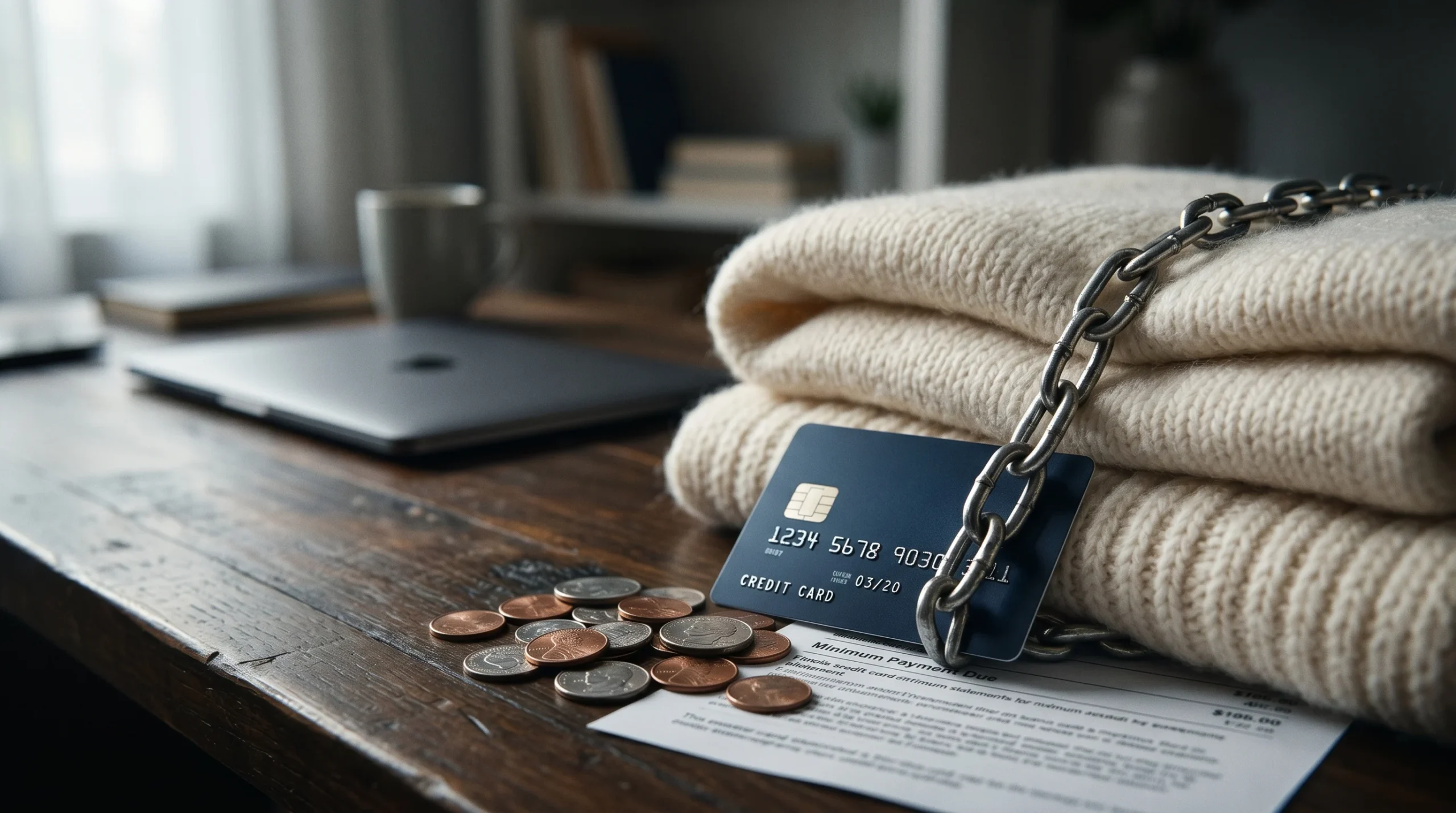
For millions of consumers, making the minimum payment on a credit card feels like responsible financial behavior. After all, the payment is made on time, the account remains in good standing, late fees are avoided and credit damage is minimized. From a short term perspective, minimum payments appear to provide exactly what they promise: a manageable way to stay current on debt obligations.
But beneath that sense of security lies one of the most misunderstood dynamics in personal finance.
Minimum payments are designed to keep accounts active, not necessarily to help consumers eliminate debt quickly. In fact, for many borrowers, consistently making only the minimum payment can transform a temporary financial challenge into a long term financial burden that lasts years or even decades.
The danger is not that minimum payments are inherently bad. The danger is that they create a powerful illusion of progress while often slowing actual debt reduction to a crawl.
As household budgets face increasing pressure from housing costs, inflation, insurance expenses and rising interest rates, understanding the true impact of minimum payment behavior has become more important than ever.
Why Minimum Payments Feel So Reassuring
Minimum payments exist for a reason.
They provide borrowers with:
- A way to remain current
- Protection from late payment penalties
- Flexibility during financial hardship
- Lower short-term cash flow pressure
From the consumer’s perspective, minimum payments offer relief.
When a credit card statement arrives showing:
- Balance: $8,000
- Minimum payment: $180
Many people naturally focus on the smaller number.
The payment feels achievable.
The balance feels distant.
This creates an immediate psychological benefit because financial stress appears manageable.
However, the comfort created by minimum payments often masks the true pace of debt reduction.
The Psychology of “Good Enough”
Human beings are naturally drawn toward solutions that reduce immediate discomfort.
Minimum payments accomplish exactly that.
Instead of confronting a large debt balance directly, consumers are given a smaller target that feels attainable.
This creates a powerful mental shortcut:
“As long as I’m making my payment, I’m handling the problem.”
Technically, this may be true.
But financially, there is an important distinction between:
- Managing debt
- Eliminating debt
Minimum payments often help consumers manage debt while making very little progress toward becoming debt free.
The psychological satisfaction of staying current can sometimes delay more meaningful financial action.
Why Credit Card Companies Like Minimum Payments
There is nothing inherently deceptive about minimum payments. They are clearly disclosed and serve legitimate purposes.
However, they also benefit lenders.
Minimum payment structures:
- Reduce default risk
- Encourage continued account activity
- Keep balances outstanding longer
- Generate ongoing interest revenue
From a business perspective, a customer who carries a balance for years is more profitable than one who aggressively pays off debt.
This does not mean lenders want consumers to struggle financially.
It simply means the system is designed to accommodate long term borrowing, not necessarily rapid debt elimination.
The Hidden Mathematics Behind Minimum Payments
Many consumers underestimate how much of a minimum payment goes toward interest rather than principal.
When interest rates are high, a significant portion of each payment may be consumed by borrowing costs.
For example:
A borrower carrying:
- $10,000 at 24% APR
may discover that a large share of the monthly payment covers interest charges rather than reducing the actual balance.
As a result:
- Debt declines slowly
- Interest accumulates continuously
- Repayment timelines expand dramatically
The balance moves, but often far slower than consumers expect.
Why Debt Can Feel Permanent
One reason minimum payment debt becomes dangerous is that repayment progress is often invisible.
Unlike a mortgage, where equity steadily grows, revolving debt can feel stagnant.
Consumers may pay:
- Month after month
- Year after year
yet still see balances that appear stubbornly large.
This creates frustration because effort and results seem disconnected.
The borrower is making payments.
The debt remains.
Over time, this can produce a sense that debt is simply a permanent part of life.
Inflation Has Made the Problem Worse
In today’s economic environment, minimum payments have become even more appealing.
Many households face pressure from:
- Housing costs
- Utility bills
- Insurance premiums
- Food inflation
- Transportation expenses
When budgets become strained, minimum payments provide breathing room.
The problem is that short term survival strategies can become long term habits.
A consumer who initially uses minimum payments for a few months may continue doing so for years because financial pressures never fully disappear.
What begins as a temporary adjustment can evolve into a permanent repayment pattern.
The Cash Flow Trap
One reason people rely on minimum payments is the desire to preserve monthly cash flow.
The logic is understandable:
- Lower payments mean more flexibility
- More flexibility means less stress
However, this can create a dangerous cycle.
Because the required payment remains relatively low:
- There is less urgency to accelerate repayment
- Extra income is often directed elsewhere
- Debt remains active longer
Over time, consumers become accustomed to carrying balances rather than eliminating them.
Debt shifts from being a temporary obligation to a recurring monthly expense.
Minimum Payments and Lifestyle Preservation
A less discussed aspect of debt behavior is lifestyle preservation.
When budgets tighten, consumers generally have three choices:
- Increase income
- Reduce spending
- Extend debt repayment
Minimum payments make the third option feel easiest.
Instead of adjusting spending habits, consumers may simply continue making minimum payments.
This allows current lifestyles to remain largely unchanged.
However, the financial cost of preserving today’s lifestyle often appears later through:
- Higher interest costs
- Longer repayment periods
- Reduced savings growth
The trade off is delayed rather than eliminated.
The Opportunity Cost Few People Calculate
Every dollar spent on interest is a dollar that cannot be used elsewhere.
Long-term minimum-payment behavior can affect:
- Emergency fund growth
- Retirement contributions
- Investment opportunities
- Homeownership goals
- Wealth accumulation
Consumers often focus on how much debt costs them each month.
Less attention is paid to what those dollars could have accomplished if directed toward assets instead of liabilities.
The opportunity cost of prolonged debt can be enormous over time.
Why Minimum Payments Create a False Sense of Stability
One of the most dangerous aspects of minimum payments is their ability to create financial complacency.
As long as payments are made:
- Collection calls stop
- Credit damage is minimized
- Accounts remain active
Everything appears stable.
But stability and progress are not the same thing.
A borrower can remain current for years while making little meaningful progress toward financial independence.
The debt is under control.
Yet it is not disappearing.
This distinction is easy to miss because financial crises are often measured by missed payments rather than persistent balances.
The Credit Score Illusion
Many consumers assume that because they make minimum payments consistently, their overall financial health is improving.
While on-time payments are beneficial, large revolving balances can still create challenges.
High utilization levels may affect:
- Credit scores
- Borrowing capacity
- Mortgage qualification
- Refinancing opportunities
A consumer may be making every payment on time while still carrying debt levels that limit future financial options.
The absence of immediate problems does not necessarily indicate strong financial health.
How Minimum Payments Encourage More Borrowing
Another overlooked risk is behavioral.
When debt feels manageable, additional borrowing often becomes easier to justify.
Consumers may think:
- “My payment isn’t that high.”
- “I can handle another purchase.”
- “I’ll pay it off later.”
Because minimum payments keep obligations relatively small in the short term, they can reduce the perceived cost of new debt.
This creates a feedback loop:
- Debt grows
- Payments remain manageable
- More borrowing occurs
- Repayment slows further
The cycle becomes self-reinforcing.
Why Financial Stress Can Persist Despite Staying Current
Many borrowers are surprised to discover that financial anxiety remains even when they never miss payments.
The reason is simple.
Debt affects more than credit reports.
Long term balances can create:
- Mental fatigue
- Reduced financial confidence
- Constant budget pressure
- Delayed life goals
The emotional burden comes not from missing payments, but from feeling trapped in a repayment cycle that never seems to end.
Minimum payments can sustain that cycle indefinitely.
The Difference Between Flexibility and Dependence
Minimum payments are most useful when they provide temporary flexibility.
Examples include:
- Unexpected medical expenses
- Temporary job disruptions
- Emergency repairs
- Short-term financial setbacks
In these situations, minimum payments serve a valuable purpose.
Problems emerge when flexibility becomes dependence.
If a household can only function by consistently making minimum payments, the issue may no longer be debt management; it may be a broader cash flow imbalance.
Why Debt Reduction Requires Visibility
One reason many consumers remain stuck in minimum payment cycles is that they focus on payments rather than balances.
Payments answer:
“What do I owe this month?”
Balances answer:
“How far am I from financial freedom?”
The second question is often more important.
Real progress occurs when principal declines meaningfully over time.
Without visibility into balance reduction, consumers may mistake activity for achievement.
Breaking the Minimum Payment Mindset
Escaping minimum payment dependence often requires a shift in perspective.
Instead of viewing debt as:
- A monthly bill to maintain
it must be viewed as:
- An obligation to eliminate
This subtle difference changes financial behavior.
The focus moves from staying current to reducing exposure.
From managing debt to escaping it.
From preserving flexibility today to creating freedom tomorrow.
Minimum payments provide an important safety valve within the financial system. They help consumers avoid immediate consequences during difficult periods and offer short-term flexibility when cash flow becomes strained.
The danger arises when temporary relief becomes a permanent strategy.
Minimum payments can create a comforting illusion that debt is under control while quietly extending repayment timelines, increasing interest costs, delaying wealth building and normalizing long term borrowing behavior.
The most financially resilient households tend to view minimum payments as a tool for emergencies rather than a long term plan. Staying current is important but true financial progress occurs when balances consistently move downward and debt becomes smaller, not merely manageable.
In an economy where financial obligations continue to grow, understanding the difference between relief and resolution may be one of the most important lessons consumers can learn.