

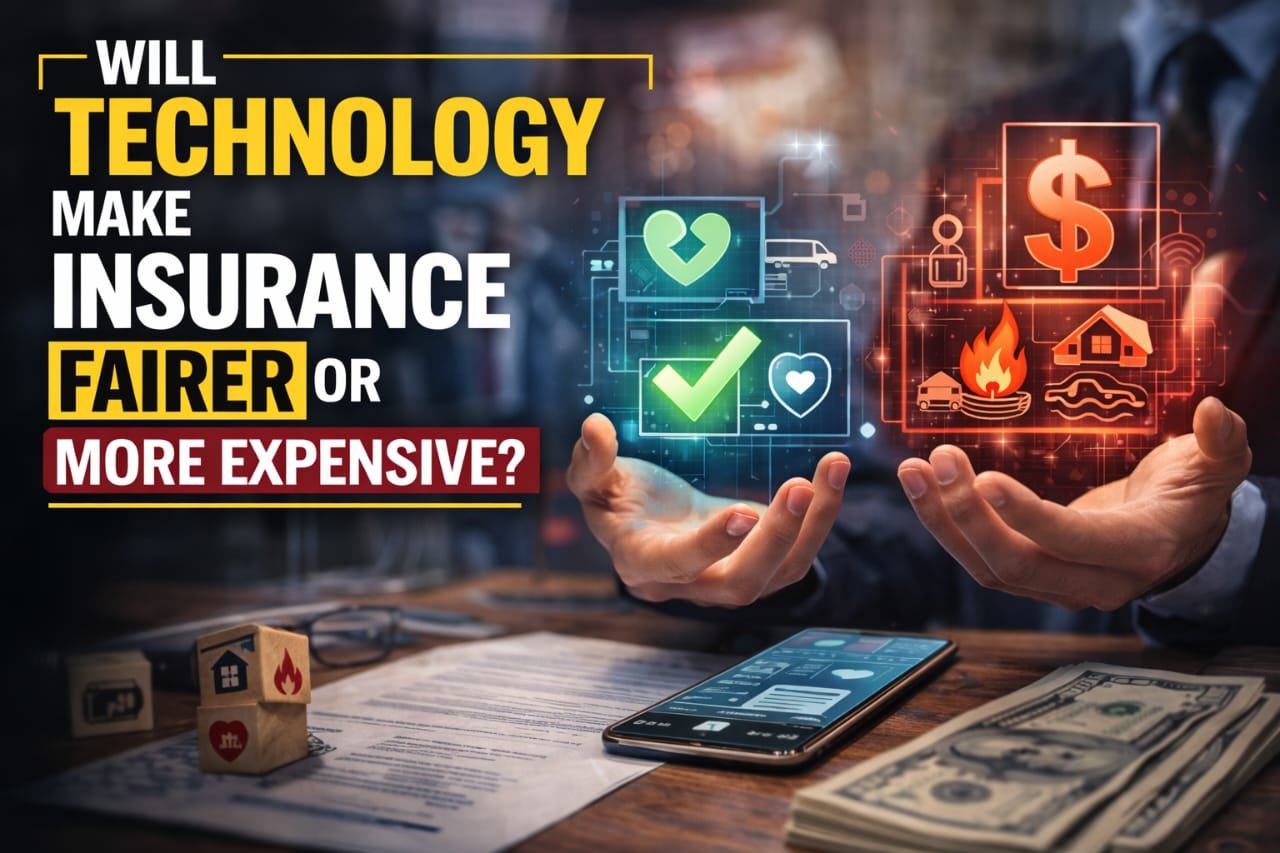
Technology is transforming the insurance industry at an unprecedented pace. From AI-driven underwriting to telematics in auto insurance, insurers now have access to data and tools that can more accurately assess risk. While these advances promise fairer pricing for some, they also raise concerns that premiums could increase for others. Understanding the trade offs is essential for policyholders and businesses alike.
How Technology Can Promote Fairness
Artificial intelligence, machine learning, and big data allow insurers to assess individual risk profiles with greater precision. For example, usage based auto insurance programs track driving behavior through telematics devices, rewarding safe drivers with lower premiums. Similarly, AI can detect fraud more efficiently, reducing unnecessary claim payouts and keeping costs down for honest policyholders.
By tailoring policies to individual risk rather than broad demographic assumptions, technology has the potential to create a fairer system where premiums reflect actual exposure rather than generalized statistics.
The Risk of Higher Costs
However, the same technology that enables fairness can also make insurance more expensive for certain groups. People living in high risk areas prone to flooding, wildfires, or crime may see premiums rise sharply as AI and predictive models identify them as higher risk. Similarly, those with certain health conditions or risky behaviors could face increased rates in life, health, or disability insurance.
Moreover, the cost of implementing and maintaining advanced technology can be passed on to consumers, contributing to rising premiums even for lower risk policyholders.
Balancing Fairness and Affordability
The key challenge for insurers is balancing precision with accessibility. While technology enables more accurate pricing, regulators, insurers, and consumer advocates must ensure it doesn’t create unintended financial barriers. Transparency, ethical AI practices, and consumer education are critical to maintaining trust in a rapidly evolving industry.
Looking Ahead
As insurers continue to adopt advanced tools, the debate over fairness versus cost will intensify. Technology promises smarter, more tailored coverage, but it also has the power to widen financial disparities if not implemented responsibly. Policyholders should stay informed about how technology affects risk assessment and be proactive in choosing policies that align with both their needs and budget.
Ultimately, technology is reshaping insurance but whether it makes the industry fairer or more expensive depends on how data is used and regulated in the years ahead.