

For many homeowners, rising property values create a sense of financial opportunity. As home equity grows, it becomes one of the largest sources of household wealth, often surpassing savings accounts and investment portfolios. Naturally, many homeowners begin asking the same question: Should I tap into that equity?
One of the most common ways to do so is through a cash out refinance.
A cash out refinance allows homeowners to replace their existing mortgage with a larger one and receive the difference in cash. The funds can be used for virtually any purpose, from consolidating high interest debt and financing home renovations to paying for education or covering major life expenses.
On paper, the strategy can make a great deal of financial sense. Borrowing against home equity often comes with lower interest rates than credit cards or personal loans and it allows homeowners to access substantial amounts of money without selling their homes.
Yet despite these advantages, not every homeowner looks back on the decision positively.
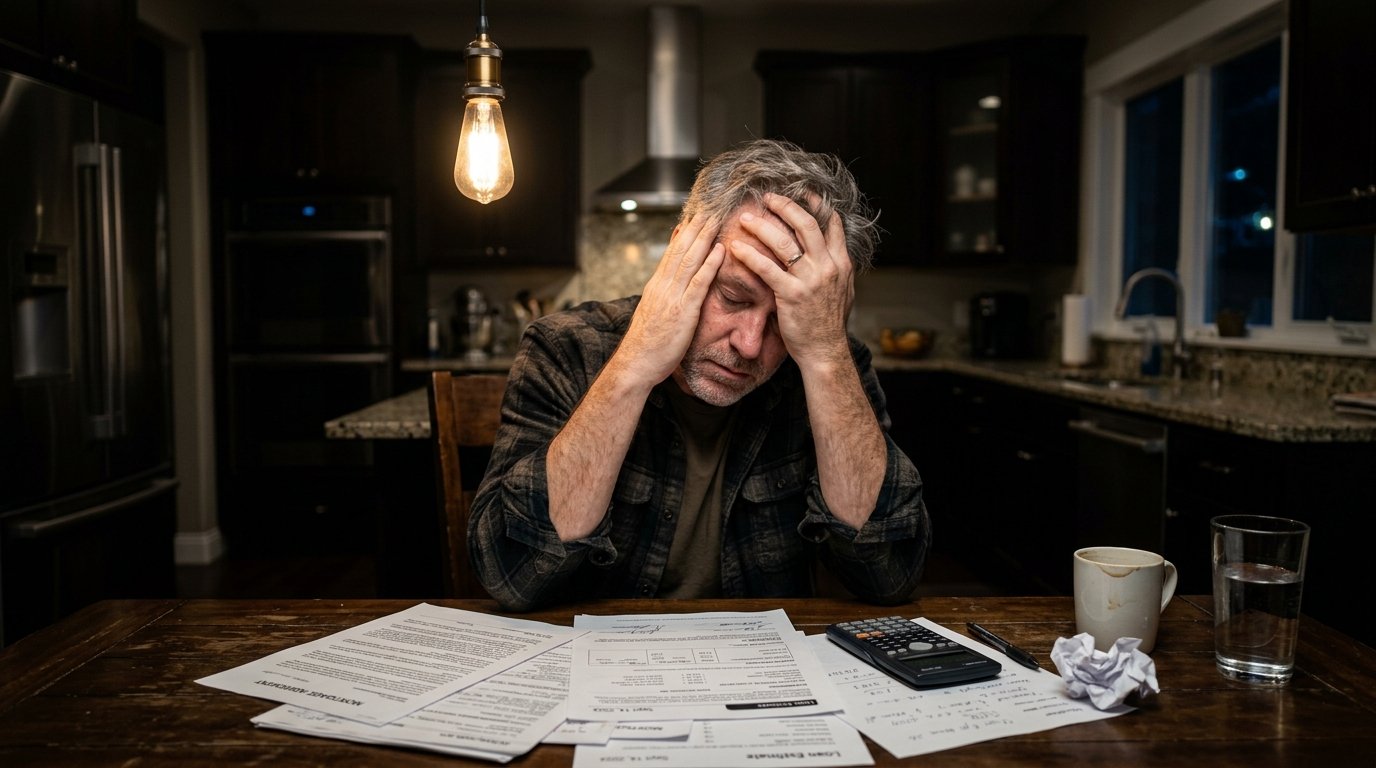
In recent years, financial advisors and mortgage professionals have observed that some borrowers experience regret after completing a cash out refinance. Interestingly, regret is not always caused by poor financial decisions. In many cases, it stems from changing economic conditions, shifting priorities or expectations that did not align with reality.
Understanding why some homeowners regret cash-out refinancing provides valuable insight into the emotional and financial complexities of borrowing against home equity.
Understanding How a Cash Out Refinance Works
A cash out refinance replaces an existing mortgage with a new loan that is larger than the remaining mortgage balance.
For example:
- Existing mortgage balance: $220,000
- New mortgage: $300,000
- Cash received after closing costs: approximately $80,000
The homeowner continues making mortgage payments under the new loan terms while gaining immediate access to cash.
Unlike a home equity loan or a Home Equity Line of Credit (HELOC), a cash out refinance replaces the original mortgage entirely.
That distinction becomes especially important when mortgage interest rates have changed since the original loan was obtained.
Regret Often Has Less to Do With the Cash Than the New Mortgage
Many homeowners are satisfied with how they use the money they receive.
They may:
- Pay off expensive credit card debt.
- Renovate an aging home.
- Fund a child’s education.
- Cover emergency expenses.
- Invest in a business.
The regret often comes later, when borrowers realize that accessing equity also meant changing the terms of their mortgage.
A homeowner who previously enjoyed a historically low mortgage rate may now have a higher interest rate on a larger loan balance.
Even if the cash serves a valuable purpose, the long-term borrowing costs can feel more significant over time.
Rising Interest Rates Have Changed the Equation
Cash-out refinancing became particularly popular during periods of historically low mortgage rates.
Many homeowners were able to:
- Lower their interest rate.
- Reduce monthly payments.
- Access home equity simultaneously.
In those situations, refinancing often delivered multiple financial benefits.
Today’s environment is different.
When mortgage rates rise, homeowners may find themselves replacing an attractive existing mortgage with a significantly more expensive one.
This creates an important trade off:
Accessing home equity may provide immediate financial flexibility while increasing long term housing costs.
Some borrowers underestimate how meaningful this trade off can become.
Borrowers Sometimes Focus on the Monthly Payment
One of the most common mistakes homeowners make is concentrating primarily on the monthly payment rather than the total cost of borrowing.
A lender may structure a refinance to keep monthly payments manageable by:
- Extending the loan term.
- Spreading repayment over more years.
- Adjusting loan structure.
The payment may appear affordable.
However, extending repayment can significantly increase total interest paid over the life of the loan.
Many homeowners only recognize this after living with the new mortgage for several years.
Home Equity Can Feel More Valuable After It’s Gone
Home equity often feels abstract while it remains untouched.
It exists as wealth on paper.
After completing a cash out refinance, however, homeowners may begin viewing equity differently.
They may realize they have:
- Reduced ownership in the property.
- Increased mortgage obligations.
- Less financial flexibility for future borrowing.
This psychological shift can create regret even if the funds were used responsibly.
Many homeowners discover that they appreciated the security of accumulated equity more than they initially realized.
Some Expenses Provide Lasting Value Others Do Not
How homeowners use cash-out proceeds greatly influences long term satisfaction.
Generally, funds directed toward:
- Structural home improvements
- Major renovations
- Necessary repairs
- High interest debt consolidation
may create lasting financial benefits.
By contrast, homeowners sometimes regret using equity for:
- Lifestyle spending
- Luxury purchases
- Vacations
- Short-lived consumer goods
- Ongoing living expenses
These purchases often lose value long before the mortgage is repaid.
Years later, borrowers may still be making mortgage payments tied to expenses that no longer provide lasting benefits.
The Emotional Weight of Larger Mortgage Debt
Debt is not only financial, it is also psychological.
Many homeowners spend years working toward reducing their mortgage balance.
Watching that balance decline creates a sense of progress.
A cash-out refinance reverses part of that journey.
Suddenly, borrowers may owe tens of thousands of dollars more than they did before.
Even when the decision makes financial sense, carrying a larger mortgage balance can create emotional discomfort.
Some homeowners describe feeling as though they have “started over.”
Expectations About Home Values Can Change
Many cash-out refinance decisions occur during periods of rising home prices.
When housing markets are strong, homeowners often feel confident that property values will continue increasing.
However, housing markets do not move in one direction forever.
If home values stabilize or decline after refinancing, borrowers may become concerned about:
- Reduced equity.
- Smaller financial cushions.
- Limited selling flexibility.
- Slower wealth accumulation.
Although short term market fluctuations do not necessarily create financial problems, they can alter how homeowners feel about previous borrowing decisions.
Debt Consolidation Doesn’t Always Solve Spending Habits
Cash out refinancing is frequently used to consolidate high-interest debt.
This strategy can reduce monthly payments and lower borrowing costs.
However, long term success depends on borrower behavior.
If consumers:
- Pay off credit cards
- Then begin accumulating new balances
they may eventually carry:
- A larger mortgage
- New credit card debt
- Greater overall financial obligations
In these situations, homeowners often regret refinancing not because the loan was flawed, but because the underlying spending habits remained unchanged.
Life Circumstances Can Change Unexpectedly
Financial decisions are made based on current circumstances.
Life, however, is unpredictable.
After refinancing, homeowners may experience:
- Job changes
- Income reductions
- Divorce
- Medical expenses
- Family responsibilities
- Relocation
A larger mortgage that once felt manageable may become more burdensome under new circumstances.
Regret sometimes emerges not because the original decision was unreasonable but because future events could not have been anticipated.
Opportunity Cost Is Often Overlooked
Every financial decision involves trade offs.
Using home equity today means those funds may not be available later.
Homeowners who complete a cash out refinance may have less equity available for:
- Future renovations
- Emergency borrowing
- Retirement planning
- Real estate investments
This opportunity cost often becomes apparent only with time.
Borrowers may later wish they had preserved more equity for future flexibility.
Why Emotional Decisions Can Influence Refinancing
Cash-out refinancing sometimes occurs during emotionally stressful periods.
Consumers may seek funds because of:
- Financial pressure
- Unexpected emergencies
- Family obligations
- Urgent debt concerns
Under emotional stress, immediate relief often receives greater attention than long-term consequences.
Behavioral finance research consistently shows that people facing financial pressure tend to prioritize short term solutions.
This does not mean the decision is necessarily wrong.
It simply means the emotional context can influence how risks and benefits are evaluated.
Cash Out Refinancing Still Has Important Benefits
Despite the possibility of regret, cash-out refinancing remains a valuable financial tool for many homeowners.
When used strategically, it can help:
- Replace expensive debt with lower-cost borrowing.
- Finance value enhancing home improvements.
- Improve household cash flow.
- Support long term financial planning.
The key is ensuring that the purpose of the borrowing justifies the long term cost of increasing mortgage debt.
Borrowers who carefully evaluate both immediate needs and future financial goals are often better positioned to make informed decisions.
Looking Ahead
As interest rates, home values and consumer borrowing habits continue to evolve, homeowners are likely to become more selective about tapping into their home equity.
Rather than viewing cash out refinancing as an automatic financial opportunity, many borrowers are increasingly weighing broader considerations such as long term affordability, future flexibility, and changing economic conditions.
This shift reflects a growing understanding that home equity is more than just an accessible source of cash. It is also a foundation of long term financial security.
Cash out refinancing can provide homeowners with meaningful financial flexibility, lower cost borrowing and access to substantial equity. For many households, it remains an effective way to consolidate debt, fund home improvements or address significant financial needs.
However, some homeowners later regret the decision because they underestimated the long term impact of replacing their existing mortgage, increasing their debt or reducing their home equity. Others find that changing economic conditions or life circumstances make the new loan feel less beneficial than it initially appeared.
Ultimately, cash out refinancing is neither inherently good nor bad. Its success depends on why the funds are needed, how they are used and whether the long term costs align with the homeowner’s broader financial goals. Understanding both the opportunities and the trade offs can help borrowers make more confident and informed decisions before tapping into one of their most valuable financial assets.