

HomeReal EstateWhy Owning a Home...

Why Owning a Home Now Requires Financial Endurance

Homeownership has long been a cornerstone of financial stability. But today, it feels less like a milestone and more like a test of endurance. Rising costs, shifting markets, and unexpected expenses are reshaping what it means to truly “own” a home.

The Rising Cost of Entry

Home prices continue to outpace wage growth in many markets. According to data from the U.S. Census Bureau, median home prices have increased faster than median household income in over half of major metropolitan areas. For first time buyers, this means larger mortgages, higher down payments, and extended timelines to reach financial readiness.

Mortgage Rates Add Pressure

Even modest increases in mortgage rates can significantly affect monthly payments. A 1% rate increase on a $300,000 mortgage can add hundreds of dollars per month. Many households are finding that budget buffers that once seemed adequate are now stretched thin.

Hidden and Ongoing Costs

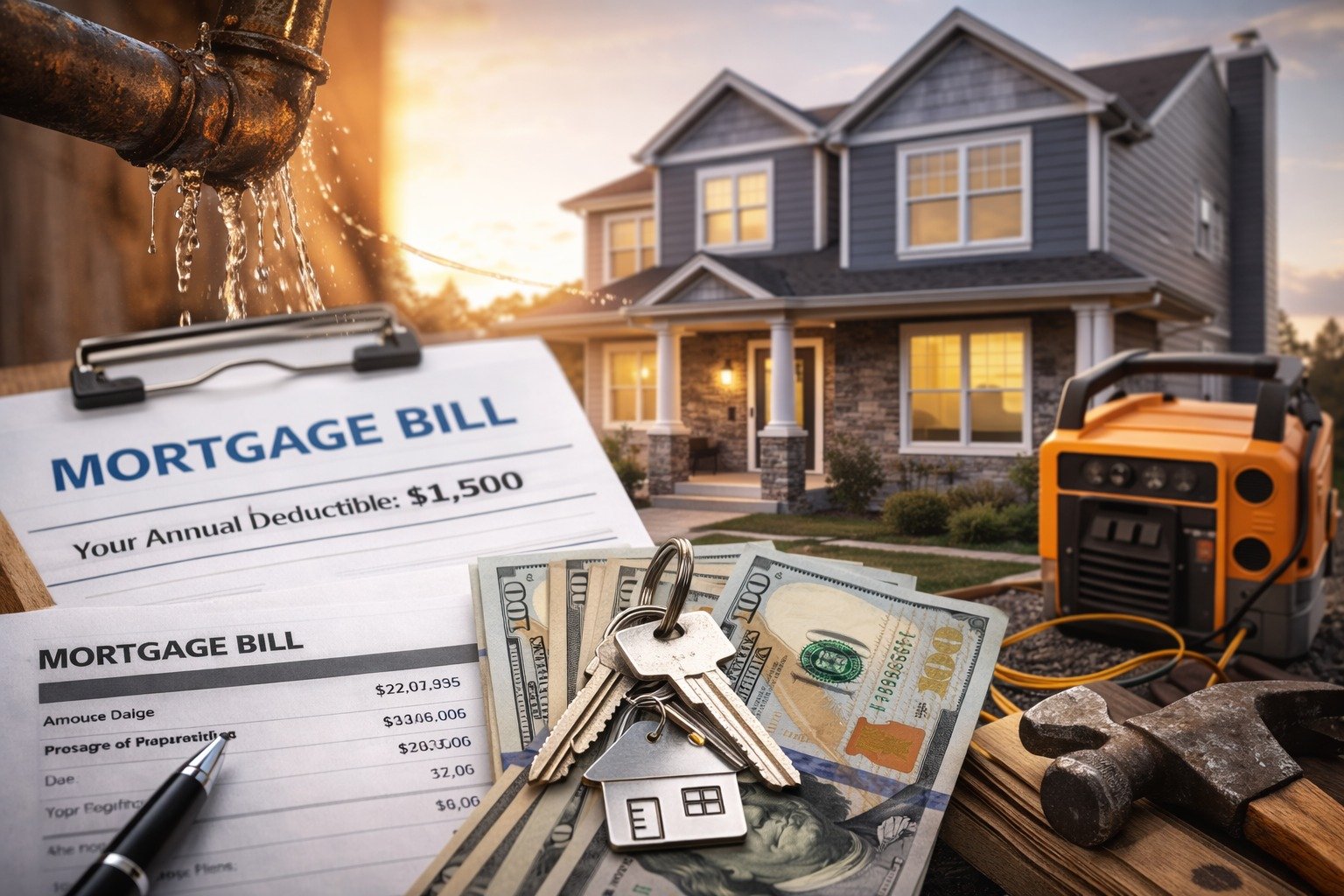
Owning a home is more than the mortgage. Property taxes, insurance, maintenance, and unexpected repairs all demand attention. According to the National Association of Home Builders, the average homeowner spends approximately 1-3% of their home’s value annually on upkeep. For high maintenance properties or older homes, those costs can climb sharply.

Financial Endurance, Not Just Wealth

The new reality of homeownership isn’t about acquiring an asset alone; it’s about sustaining it. Families must anticipate both planned expenses and unexpected shocks, everything from roof replacements to emergency plumbing repairs. Those who approach homeownership without adequate buffers risk financial stress, even in relatively stable economic periods.

Strategic Approaches

To navigate this landscape, households are adapting:

  • Prioritize emergency funds: Keeping a separate reserve for home-related expenses is critical.
  • Budget beyond the mortgage: Include taxes, insurance, and maintenance in monthly calculations.
  • Evaluate affordability realistically: Avoid stretching to the maximum loan possible.
  • Consider location trade-offs: Smaller homes or emerging neighborhoods may offer a more sustainable path.

Owning a home today demands more than income, it requires endurance, foresight, and resilience. For many Americans, achieving homeownership is only the beginning. Sustaining it amid rising costs, complex financial obligations, and unexpected repairs is the real challenge.

Homeownership remains a goal worth pursuing, but it’s increasingly a long-term financial commitment, not just a symbol of achievement.

In another related article, When Repair Inflation Outpaces Home Appreciation

- Advertisement -

spot_img

Most Popular

LEAVE A REPLY

Please enter your comment!
Please enter your name here

More from MT

Insurance Deserts: Where Policies Are Quietly Becoming Unavailable

In parts of the United States, insurance is not just getting...

The Geography of Risk: Why Where You Live Matters More Than Ever for Insurance

For decades, insurance pricing was largely about individual behavior: your driving...

The New Economics of the American Household

The American household is changing, and so is the math that...

The Inheritance Gap: Why Family Wealth Matters More Than Income

Income has long been the standard measure of financial well-being. But...

- Advertisement -

Related News

Insurance Deserts: Where Policies Are Quietly Becoming Unavailable

In parts of the United States, insurance is not just getting more expensive. It is quietly becoming harder to find at all. The term “insurance desert” is increasingly used to describe areas where private insurers have reduced coverage, stopped writing new policies, or exited entirely. Unlike headline grabbing...

The Geography of Risk: Why Where You Live Matters More Than Ever for Insurance

For decades, insurance pricing was largely about individual behavior: your driving record, your credit history, your claims. Today, geography is playing a far larger role. In many cases, where you live is becoming as important as how you live. From wildfire zones in the West to hurricane prone...

The New Economics of the American Household

The American household is changing, and so is the math that defines it. Rising costs, shifting employment patterns, and complex financial obligations are reshaping how families plan, spend, and save. Beyond Income: A Broader Picture Traditional measures of economic health, like household income, only tell part of the story....

The Inheritance Gap: Why Family Wealth Matters More Than Income

Income has long been the standard measure of financial well-being. But for many households, family wealth assets passed down across generations has an even bigger impact on financial stability and opportunity. Income vs. Inherited Wealth Earning a high salary is important, but it often doesn’t tell the full story....

Why Younger Americans Are Redefining Financial Security

For decades, financial security followed a familiar script: stable job, homeownership, retirement account, upward mobility. It was linear and asset based. Younger Americans are rewriting that script. Not because they reject stability, but because the economic terrain beneath them has shifted. What once defined security now often feels fragile,...

Why Households Are Normalizing Financial Stress

Financial stress used to feel episodic. A job loss. A medical bill. A recession. Today, for many households, it feels ambient. Not acute enough to trigger crisis headlines. Not temporary enough to dismiss. Just persistent. And increasingly, normalized. The shift is subtle but significant. When stress becomes routine, behavior changes. The...