

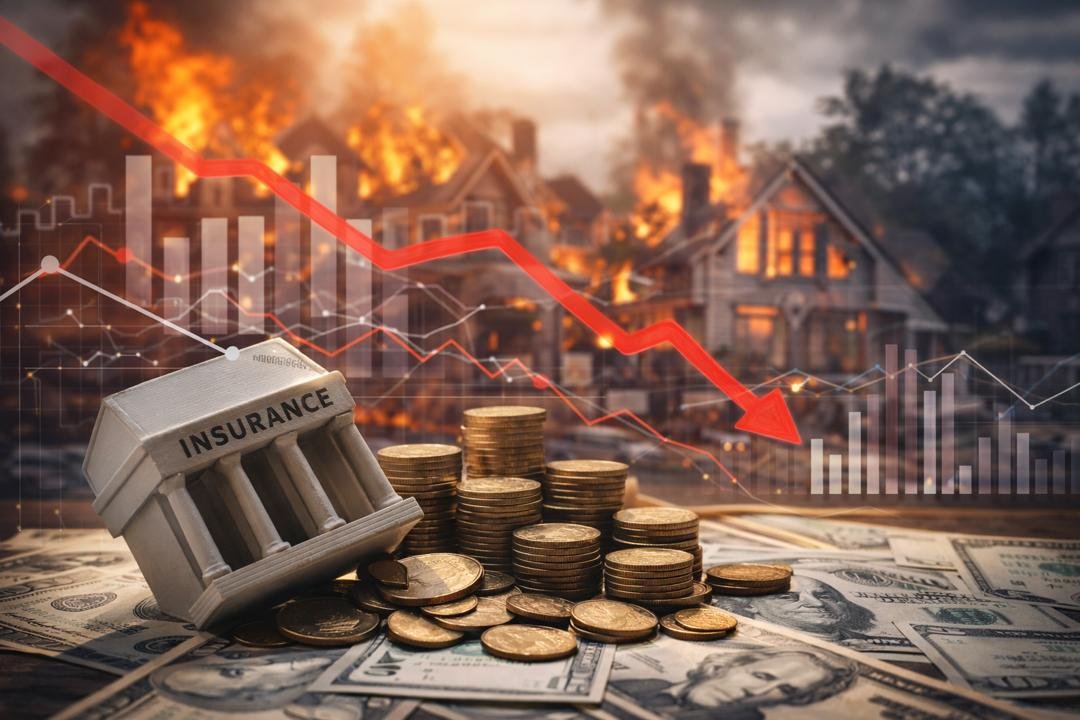
When a hurricane, wildfire, or other catastrophic event strikes, the immediate concern is often the physical damage and personal loss. But behind the scenes, large insurance claims can trigger a series of economic ripple effects that extend far beyond the initial disaster. For insurers, businesses, and even local economies, these losses can reshape markets and influence financial behavior for years.
Impact on Insurers and Capital
Large scale losses strain the balance sheets of insurance companies. According to the Insurance Information Institute, insured losses from U.S. natural catastrophes exceeded $100 billion in several recent years. Payouts of this magnitude force insurers to reassess reserves, reinsurance arrangements, and investment strategies. Some insurers may raise premiums, limit coverage in high risk regions, or withdraw from certain markets entirely, which can alter local access to insurance products.
Reinsurance, the practice of insurers purchasing insurance for themselves, helps mitigate losses but also spreads risk across the global market. When major disasters occur, reinsurance premiums rise, and insurers often pass these costs onto policyholders, creating a chain reaction that affects both businesses and households.
Effects on Businesses and Local Economies
Beyond insurers, large insurance losses can slow economic recovery in affected regions. Businesses experiencing delayed claim payments may face cash flow problems, forcing layoffs, delaying expansions, or even closing entirely. Construction and repair industries may see temporary booms, but supply chain constraints and labor shortages can exacerbate costs, impacting overall economic stability.
Local governments are also affected. Tax revenues may decline due to reduced business activity, while emergency spending increases. Municipal budgets can be strained, affecting infrastructure, public services, and recovery efforts.
Behavioral and Market Shifts
Significant insurance losses can influence behavior and risk management practices. Policyholders may become more cautious, seeking higher coverage or investing in risk mitigation measures such as flood barriers, fireproofing, or disaster planning. Insurers, in turn, may adjust underwriting criteria, exclude certain risks, or develop innovative products tailored to emerging threats.
Investors also react. Large payouts can affect insurer stock prices, bond ratings, and investor confidence in sectors tied to high-risk regions. The effects can ripple through financial markets, influencing broader investment decisions and economic outlooks.
As climate change, cyber threats, and other systemic risks grow, the potential for large insurance losses and their ripple effects will only increase. Insurers, businesses, and policymakers must work together to anticipate and mitigate these impacts. For consumers, understanding how losses influence pricing, coverage availability, and local economies can inform better financial decisions and preparedness strategies.
Large insurance claims are more than payouts; they are catalysts for change, shaping markets, influencing behavior, and creating ripple effects that extend well beyond the initial disaster.

