

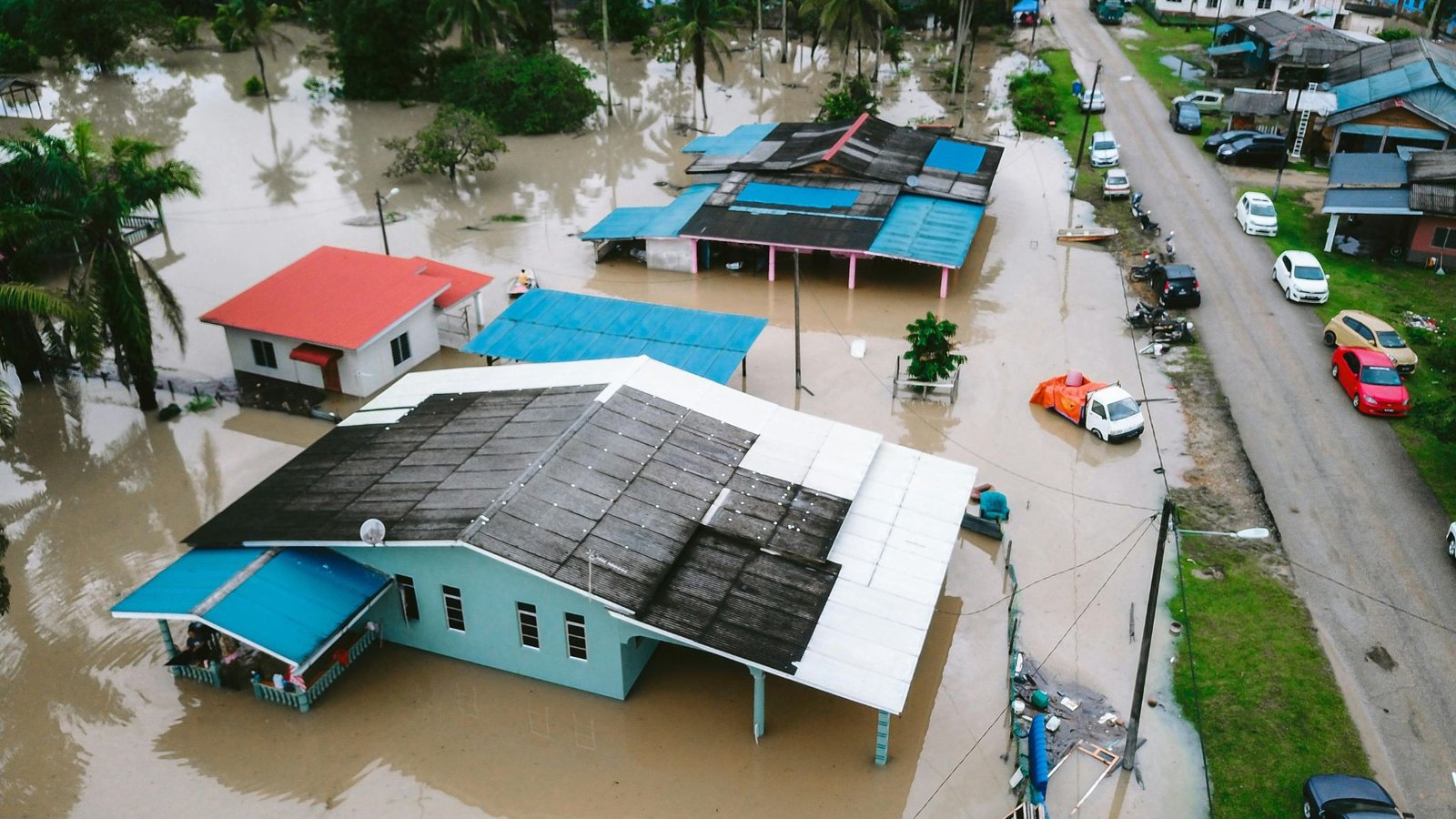
Where Americans live has always shaped their financial lives. But increasingly, geography isn’t just about cost of living or job opportunity it’s about exposure.
From hurricanes along the Gulf Coast to wildfires in the West and floods in the Midwest, a growing share of U.S. households now live in regions where natural disasters are not rare events, but recurring financial risks. And the economic consequences are no longer limited to rebuilding after a storm. They are showing up in insurance markets, housing affordability, migration patterns, and long-term household stability.
Disaster risk is becoming a permanent line item in the American budget.
From Rare Events to Ongoing Risk
What’s changed isn’t simply the frequency of disasters, it’s their predictability.
In many states, extreme weather events are no longer treated as once-in-a-generation shocks. They are anticipated, priced, and planned for by insurers, lenders, and local governments. That shift has quietly altered the economics of living in high-risk regions.
Homeowners now face:
- Rising insurance premiums or reduced coverage availability
- Higher deductibles tied to named storms or wildfire risk
- Increased property taxes to fund resilience and recovery efforts
These costs accumulate even in years when no disaster occurs.
Insurance as the First Pressure Point
Nowhere is the financial impact more visible than in insurance.
In disaster-prone states, insurers are reassessing risk more aggressively. Some have raised premiums sharply. Others have limited new policies or exited markets altogether. Where private coverage pulls back, state backed insurance programs often step in but typically at higher cost and with narrower protection.
For households, insurance is no longer a passive safeguard. It’s an active, volatile expense that can change year to year based on regional loss trends rather than individual behavior.
The result is a growing disconnect between homeownership and affordability.
Housing Markets Feel the Aftershocks
Disaster exposure is also reshaping housing markets in subtle ways.
In high-risk areas, buyers are increasingly factoring insurance availability and long-term costs into purchasing decisions. Mortgage lenders, in turn, are scrutinizing coverage more closely. In some regions, rising insurance costs have quietly become a barrier to closing even when home prices appear stable.
Over time, this dynamic can suppress demand, slow appreciation, or encourage outmigration particularly among middle income households with limited flexibility.
What looks like a housing affordability problem is often a risk pricing problem in disguise.
Who Bears the Cost of Resilience?
Local governments in disaster prone states face their own financial balancing act. Investments in infrastructure hardening, emergency response, and rebuilding are essential but expensive.
Those costs are frequently passed on through:
- Higher local taxes
- Special assessments
- Utility surcharges
Residents effectively prepay for future disasters, even as federal aid becomes less predictable and more politically constrained.
For many households, resilience is no longer a public good, it’s a personal expense.
The Inequality Within Risk
Disaster exposure doesn’t affect everyone equally.
Higher income households can absorb premium increases, retrofit homes, or relocate. Lower and middle income families often cannot. Renters face rising costs without building equity. Homeowners may become “locked in,” unable to sell without taking a loss or facing higher costs elsewhere.
Over time, disaster risk can deepen regional inequality, concentrating vulnerability among those with the fewest options.
Migration as a Financial Strategy
One emerging trend is climate influenced migration, driven not just by safety concerns but by cost pressure.
Households leaving high risk states often cite insurance costs, rebuilding fatigue, and uncertainty not just a single event. Moving becomes a form of financial risk management, even when it disrupts careers or community ties.
This slow reshuffling of population has implications far beyond individual families, affecting labor markets, tax bases, and regional growth.
Why This Is No Longer a Niche Issue
Nearly every U.S. state now faces some form of climate related risk. The distinction between “safe” and “unsafe” regions is narrowing, while the cost of exposure is rising.
What was once considered an external shock is becoming a structural feature of household finance. Disaster risk is no longer episodic; it’s embedded.
Living in a disaster prone state increasingly means budgeting for uncertainty. Insurance costs fluctuate. Housing stability weakens. Long term planning becomes harder.
This isn’t just a climate story or an insurance story. It’s a household economics story that challenges how Americans think about stability, ownership, and where it makes financial sense to put down roots.
As disaster risk continues to reshape markets, the cost of staying put may prove just as consequential as the cost of leaving.
In another related article, The Psychological Weight of Permanent Bills