

Thailand pressed ahead with its crypto‑linked tourism payments push amid softer 2025 arrivals, with 20.1 million foreign visitors recorded from January 1 to August 10, 2025, generating 937.6 billion baht in revenue, while numbers fell largely because fewer tourists came from China. Authorities said the TouristDigiPay system aimed to attract digital‑native travelers and increase spending by simplifying how visitors paid across the country.
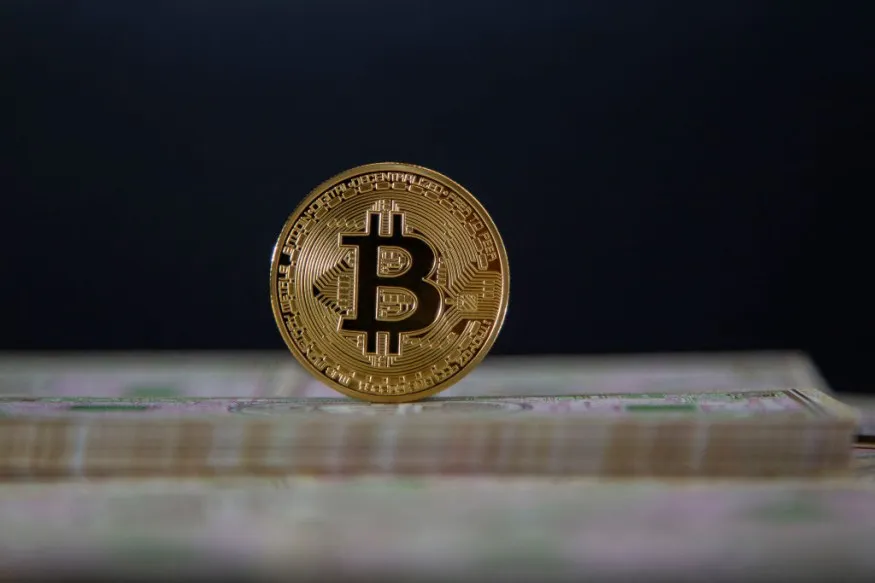
Launched on August 18, 2023, the TouristDigiPay initiative enabled foreign tourists to exchange cryptocurrency for Thai baht to stimulate local spending and position the country as a crypto‑friendly destination, according to Travel And Tour World. It allowed visitors to convert digital assets such as Bitcoin or Ethereum into baht and pay through approved services.
This model converted crypto to baht before use rather than enabling direct crypto payments. “This project is the first of its kind in the world that does not use crypto directly as a medium of payment, but exchanges it for baht and then uses it through e‑money,” said Deputy Prime Minister and Minister of Finance Pichai Chunhavajira, according to The Nation. “We are not accepting crypto as currency; we are simply facilitating the exchange for baht,” said Chunhavajira, according to The Nation.
Under the program, overseas visitors opened accounts with licensed digital asset providers and regulated e‑money institutions to convert holdings into baht and pay by scanning QR codes at participating merchants. The model linked digital asset trading supervised by the Securities and Exchange Commission with e‑money regulated by the Bank of Thailand and operated in a regulatory sandbox overseen by the Ministry of Finance, the SEC, the Anti‑Money Laundering Office, and the Ministry of Tourism and Sports. The service was set to begin as a pilot in Phuket in the fourth quarter of 2023 with plans to expand nationwide.
The program was exclusively available to foreign tourists on temporary stays. Registration and verification were mandatory: users completed Know Your Customer and Customer Due Diligence checks aligned with AMLO criteria, and establishments classified by AMLO as high‑risk for money laundering were barred from accepting payments through TouristDigiPay. “The AMLO is confident in our processes, and we have the readiness,” said Thepsu Buranachotdara, secretary‑general of the Anti‑Money Laundering Office, according to Khaosod.
Spending controls built into the sandbox capped transactions at no more than 100,000 baht per transaction and no more than 500,000 baht per month, limited smaller vendors to 50,000 baht per month, and permitted merchants that completed a Know Your Merchant process up to 500,000 baht per month. The program was not linked to credit cards. Cash withdrawals were prohibited; tourists could withdraw only after closing their accounts.
In practice, tourists converted through SEC‑regulated operators and spent baht through QR code payments common across Thailand, while merchants received funds in baht.
Officials framed the initiative as part of a strategy to accelerate financial digitization and strengthen tourism by aligning payment options with global digital trends and the rise of crypto wallets. The sandbox trial ran for 18 months with supervision and risk controls throughout, and if the model performed without issues, limits could be revisited. Future phases were planned to expand functionality, including potential links to foreign debit and credit cards.
Regulators said multiple restrictions, verification steps, and spending caps were necessary to prevent misuse but acknowledged that layers of compliance could deter some visitors. Volatility in cryptocurrencies remained a concern for some businesses, even as merchants were insulated by the pre‑conversion design.
Government agencies said the program aimed to provide more payment options for foreign tourists, support spending through regulated channels, and reconnect tourism with the digital asset economy under clear oversight. The government expected the initiative to lift tourist expenditure by 10 percent and add more than 175 billion baht to the economy if it achieved its goals.
As Thailand contended with uneven recovery in international arrivals, especially from China, the country moved ahead with a sandbox that blended SEC‑regulated exchanges and Bank of Thailand‑supervised e‑money to test risk management and security while giving visitors a faster, more flexible way to spend during their stay.

