For much of the past century, homeownership was framed as the ultimate financial upgrade. Renting was temporary. Owning was security.
Today, that narrative is quietly unraveling.
Across the country, many households including those who could technically afford to buy are choosing to rent longer than planned. Not because renting is cheaper in the long run, but because owning has accumulated a growing set of hidden, unpredictable costs that make stability feel fragile.
In an era defined by volatility, renting increasingly feels safer even if it isn’t always financially superior.
Ownership Has Become a Variable Expense
The traditional appeal of homeownership rested on predictability. Lock in a mortgage, stabilize housing costs, and let time do the rest.
That predictability has eroded.
Even homeowners with fixed-rate mortgages now face rising property taxes, insurance premiums, maintenance costs, and HOA fees. Climate-related risks have pushed insurance costs sharply higher in many regions, turning what was once a manageable annual bill into a financial stress point.
Owning a home no longer guarantees cost certainty. It guarantees exposure.
Insurance Is Redefining Housing Risk
Nowhere is this shift more visible than in home insurance.
Premiums are rising faster than inflation in many disaster-prone states. Coverage limits are tightening. Deductibles are increasing. Some insurers are pulling out of entire markets altogether.
For renters, insurance remains relatively inexpensive and straightforward. For homeowners, insurance has become a negotiation, sometimes an ultimatum.
This asymmetry reshapes how risk is perceived. Renting concentrates housing costs into a single, predictable payment. Owning fragments them across multiple, increasingly volatile categories.
Maintenance Isn’t Just a Cost; It’s Uncertainty
Maintenance has always been part of homeownership. What’s changed is its scale and timing.
Labor shortages, higher material costs, and aging housing stock have made repairs more expensive and less predictable. A roof replacement or foundation issue can wipe out years of savings. Even routine upkeep carries sticker shock.
Renters, by contrast, outsource that uncertainty. Repairs are someone else’s problem financially and emotionally.
That psychological relief matters more than it used to.
Liquidity Has Become a Form of Security
Homeownership ties wealth to an illiquid asset. In stable times, that’s manageable. In volatile times, it’s restrictive.
Selling a home takes time. Borrowing against equity depends on market conditions. Downsizing doesn’t always produce the savings people expect.
Renting preserves liquidity. Cash remains accessible. Decisions can be reversed. In an economy where income, healthcare costs, and insurance premiums are less predictable, liquidity itself has become a form of safety.
The Risk of Being “Locked In”
For many homeowners, the greatest fear isn’t affordability today, it’s immobility tomorrow.
Rising interest rates have made moving costly. Selling a home often means giving up a favorable mortgage rate. Buying again may be financially prohibitive.
This creates a new kind of risk: being locked into a property that no longer fits financial or personal needs.
Renters don’t face that constraint. Flexibility has value especially when the future feels uncertain.
Why Renting Feels Safer, Even When It Costs More
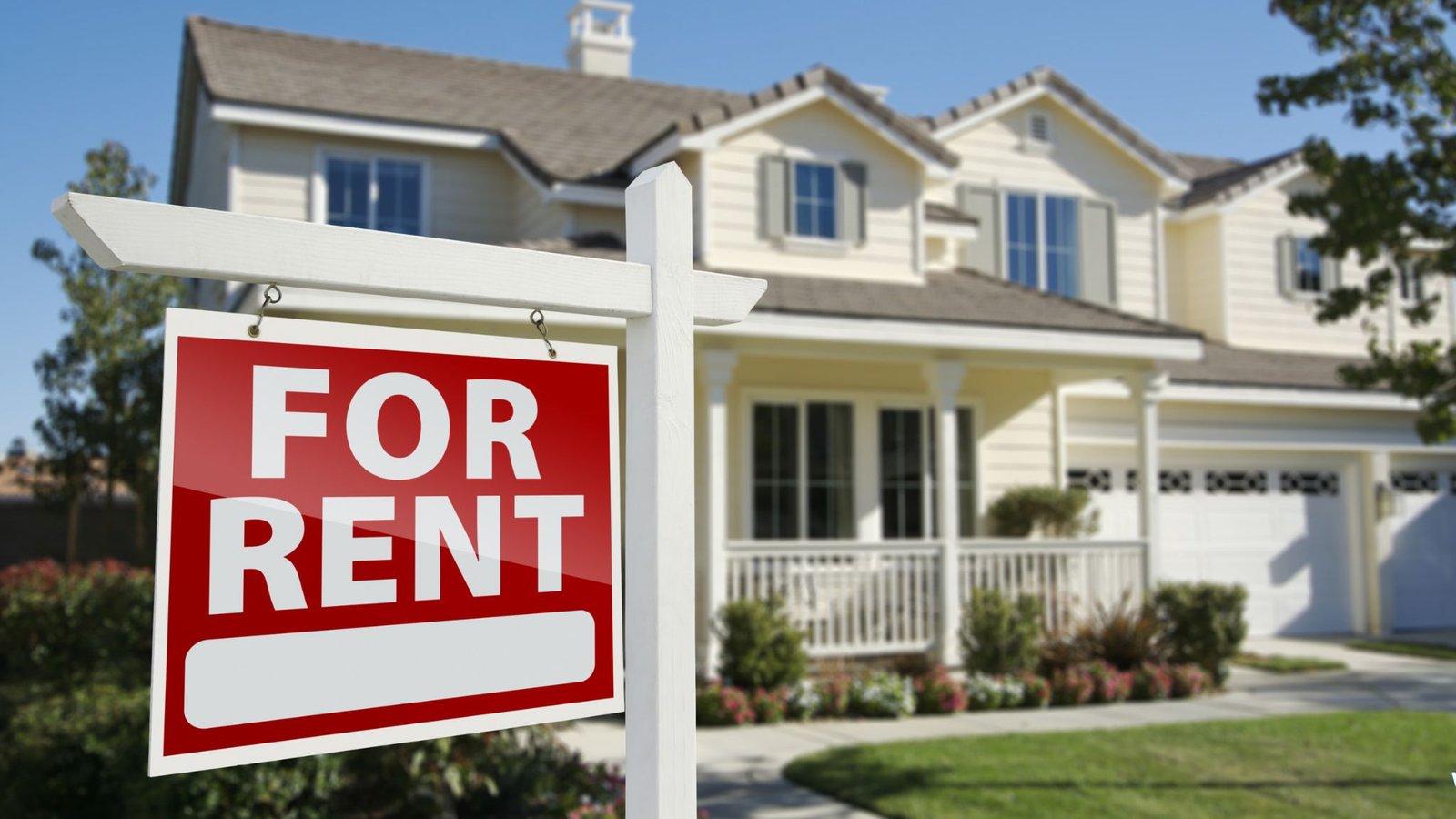
On paper, renting often costs more over time. There’s no equity buildup. Payments don’t translate into ownership.
But emotionally and financially, renting offers something many households now prioritize: bounded risk.
The maximum cost is known. The downside is limited. There are fewer surprise bills that can derail an entire financial plan.
In a high volatility environment, that tradeoff feels rational.
This Is a Confidence Problem, Not a Preference Shift
The growing appeal of renting isn’t a rejection of ownership. It’s a reflection of diminished confidence in long-term cost stability.
Households aren’t avoiding commitment. They’re avoiding exposure.
When major expenses insurance, healthcare, maintenance, taxes behave unpredictably, people gravitate toward arrangements with fewer variables.
Renting absorbs risk. Owning amplifies it.
The Broader Economic Signal
This shift has implications beyond housing.
When households prioritize flexibility over accumulation, spending patterns change. Mobility increases. Long-term planning weakens. Wealth-building slows not because people don’t value it, but because the path feels less secure.
Housing decisions are becoming less about aspiration and more about risk management.
Renting feels safer today not because it is cheaper, but because it is simpler.
As homeownership absorbs more volatility from climate risk to insurance costs to maintenance uncertainty the psychological appeal of renting grows. Stability is no longer defined by ownership alone. It’s defined by predictability.
Until the hidden costs of owning become more transparent and manageable, renting will continue to feel like the safer choice even in a culture that once treated it as a stepping stone.
In another related article, The Illusion of Coverage in Modern Healthcare