

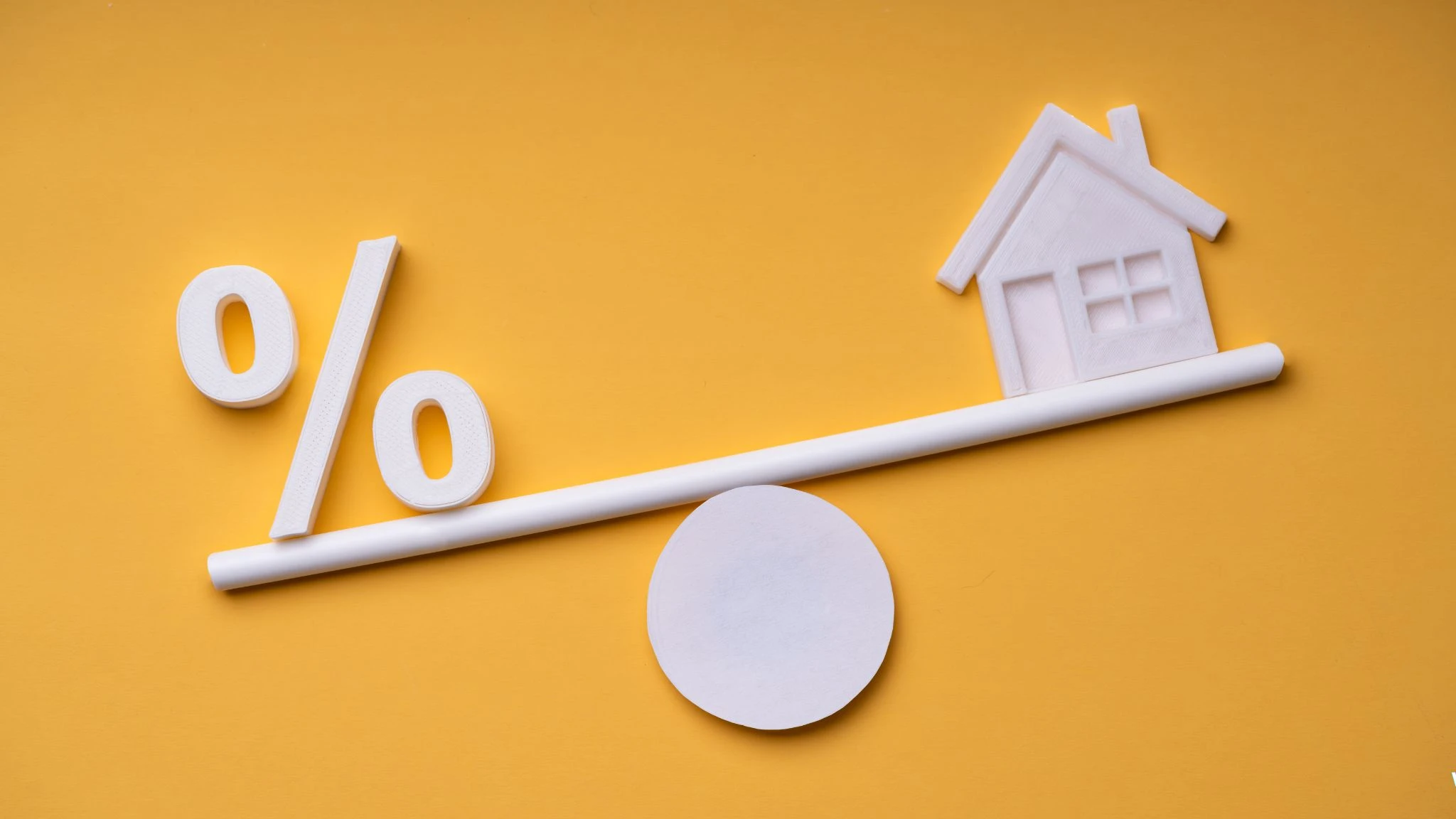
American homeowners are facing a growing and deeply concerning trend: a sharp, sustained rise in home insurance premiums. Even policyholders who’ve never filed a claim are being hit with double-digit renewals. This isn’t just a hiccup, it’s a structural shift in the economics of property insurance. Below, we unpack the hidden forces driving these increases, and what the consequences might be for homeowners and the broader housing market.
1. Climate Risk Is No Longer a Theoretical Threat: It’s a Pricing Reality
One of the biggest drivers behind the surge in homeowners’ insurance costs is the growing frequency and severity of climate-related disasters. According to a U.S. Treasury Department study, regions most exposed to natural perils such as hurricanes, wildfires, and flooding pay significantly higher premiums than less risky areas.
These geographic disparities reflect a broader truth: insurers are recalibrating for a future where catastrophic weather events are not outliers. Brookings economists note that rising claim liabilities from more frequent disasters are contributing directly to climbing premiums.
2. Reinsurance Costs Are Exploding
Insurers don’t carry all the risk themselves, they rely on reinsurance, essentially insurance for insurers. But between 2018 and 2023, reinsurance costs more than doubled.
This “reinsurance shock” means primary insurers must pay more to hedge their risk. Much of that added cost is passed straight to homeowners in the form of higher premiums.
3. Replacement and Construction Costs Are Rising Fast
It’s not just disaster risk the fundamental cost of rebuilding homes is increasing substantially:
- According to Insurify, reconstruction costs rose 5.2% between July 2023 and July 2024, driven by higher prices for both labor and materials.
- The Insurance Information Institute, as cited by Brookings, estimates that replacement costs for home repair jumped ~55% between 2020 and 2022, well above general inflation.
For insurers, a higher “insured value” means they need to charge more, since their worst-case payouts are now significantly larger.
4. Market Exits, Capacity Crunch, and Regulatory Strain
Some insurers are pulling back from the riskiest markets entirely. When insurers restrict new business in disaster-prone regions, fewer competitors remain, which reduces capacity and pushes premium pressure onto the remaining customers.
In some states with intense climate risk, this dynamic is particularly acute.
Separately, regulatory environments are tightening. Insurance companies must account not only for past losses but projected future ones often validated by catastrophe models. Regulators, in turn, are increasingly compelled to approve rate filings that reflect these growing risks.
5. The “Crisis of the Affordable Home”
Home values have surged in many markets, which increases the insured value of properties (the “replacement cost”). Yet household incomes haven’t kept pace. According to McKinsey’s 2025 Global Insurance Report, median home prices are up ~35% since 2019, pushing up the total insurable value for many homeowners.
That mismatch high property value, stagnant income makes the premium burden much more acute. As insurers recalibrate for disaster risk, more homeowners are being priced into a precarious spot: paying more to maintain coverage, or reducing coverage and taking on more risk.
6. The Role of Litigation and Claims Costs
While climate risk is often the headline, some insurers also point to rising claims litigation costs. Defense costs, settlement payouts, and legal overhead are all increasing, particularly in states with heavy litigation or “social inflation” built into liability.
Combined with rising losses from natural catastrophes, this litigation environment makes underwriting property risk more expensive and less predictable.
7. Homeowners’ Financial Strain Is Intensifying
The cumulative effect on homeowners is real and painful. According to a Bankrate analysis, homeowners insurance costs jumped 24% between 2021 and 2024, outpacing inflation, with many households facing hundreds of dollars more per year for the same coverage.
For many, this increase isn’t just a convenience, it’s a burden that competes with mortgage payments, property taxes, and other essential costs.
What Homeowners Can Do About the Crisis
Given the scale of the challenge, individual policyholders still have some room to act though none of the solutions are painless:
- Shop Around: Don’t assume your current carrier is the best. At renewal, get multiple quotes.
- Review Your Coverage: Make sure your dwelling limit is up to date, but don’t over-insure unnecessarily.
- Ask About “Risk-Reducing” Discounts: Installing wildfire-resistant roofing, storm shutters, or other mitigation features often qualifies for discounts.
- Consider Higher Deductibles: A higher deductible can meaningfully lower your premium but make sure you can afford it.
- Advocate for Reform: In many states, homeowners are pushing regulators to require greater transparency on rate filings and risk modeling.
The Broader Implications: A Crisis That Could Reshape Housing
This widening insurance crisis doesn’t just threaten wallets; it has implications for the housing market, economic inequality, and regional stability.
- Property Values: In high-risk areas, sky-high insurance costs could erode home values, especially if buyers are unwilling or unable to absorb rising premiums.
- Affordability: As insurance becomes a material cost, some homeowners may scale down coverage or even drop it increasing the risk of underinsurance.
- Insurance Market Stability: If insurers continue to pull out of risky geographies, or require even higher premiums, coverage could become scarce for those who need it most.
- Policy Response Needed: Without policy reform such as rethinking building codes, incentivizing resilience upgrades, or reinsurance support the trend could accelerate.
The surge in home insurance premiums across the U.S. is not a short-term spike, it is a symptom of a deeper, systemic shift. Rising climate risk, soaring reconstruction costs, reinsurance shocks, and regulatory pressure are all converging to make home insurance significantly more expensive.
For consumers, the path forward demands vigilance, adaptability, and a proactive approach. For policymakers, it underscores a growing affordability crisis: homeownership may be under threat not just from mortgage rates, but from the increasing cost of protecting that home.
In another related article, The Hidden Economics Behind Sudden Insurance Renewal Increases