

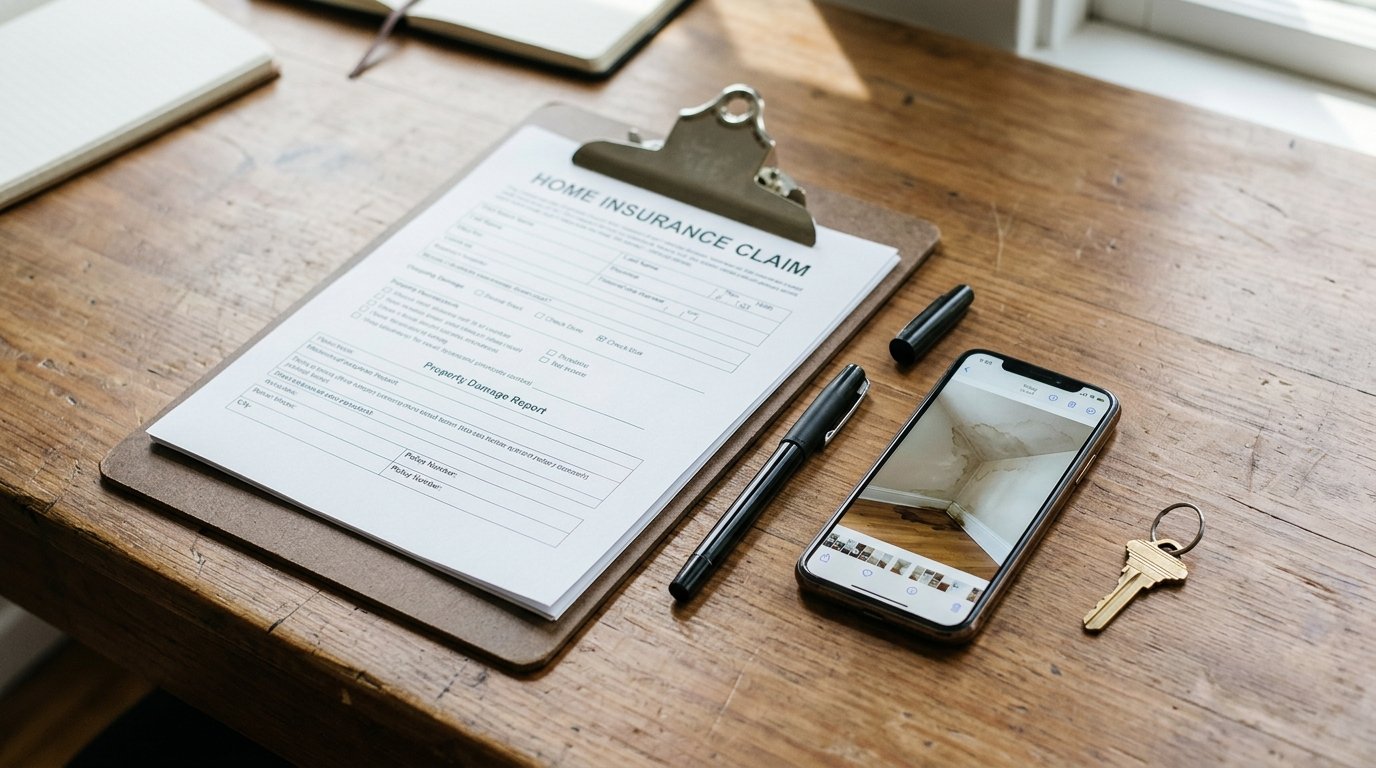
When a home is damaged by a storm, fire, burst pipe, theft or another unexpected event, homeowners often focus on getting repairs started and restoring normal life. Yet the decisions made in the hours and days after the incident can affect how smoothly an insurance claim proceeds.
A homeowners insurance policy can provide important financial protection, but receiving payment is not always as simple as reporting damage and waiting for a check. Insurers may request photographs, repair estimates, receipts, inventories, proof of ownership and other records to determine what happened and how much of the loss is covered.
Small mistakes can create avoidable complications. A homeowner might discard damaged belongings before documenting them, delay notifying the insurer, authorize expensive permanent repairs too early or accept a settlement without checking whether the estimate accounts for all the damage.
The National Association of Insurance Commissioners (NAIC) recommends maintaining records, understanding policy requirements, reporting losses promptly, and keeping track of damaged property and related expenses. These measures can help homeowners prepare a more complete claim and address questions that arise during the investigation.
Understanding the following eight mistakes can help homeowners protect their financial interests and navigate the claims process more effectively.
1. Waiting Too Long to Report Property Damage
One of the most common mistakes homeowners can make is delaying notification after discovering damage.
People sometimes postpone contacting their insurer because they are busy cleaning up, waiting for a contractor’s opinion or trying to determine whether repairs will be expensive enough to justify a claim. Others assume they should wait until they have collected every receipt and photograph before reporting the incident.
However, many insurance policies impose requirements or deadlines for notifying the insurer of a loss. Waiting too long can complicate the investigation, particularly when the cause of damage becomes harder to establish or additional damage occurs while the homeowner delays taking action.
The NAIC advises policyholders to contact their insurance company or agent promptly because insurance policies commonly have deadlines for reporting claims.
What homeowners should do instead
Notify the insurer as soon as reasonably possible after discovering a potentially covered loss. You generally do not need to complete your entire inventory or obtain every repair estimate before making the initial report.
During the first contact, be prepared to explain:
- When the incident occurred or when you first discovered the damage.
- What part of the home was affected.
- Whether the damage appears to be spreading.
- Whether anyone has been injured or the property is unsafe.
- What emergency measures you have already taken.
- Whether you need information about temporary accommodation or emergency repairs.
Ask for a claim number, the assigned adjuster’s contact information and instructions for submitting supporting documents. Keep a record of the date and time of the report.
Example: A homeowner discovers water coming through a ceiling after a storm but waits several weeks to notify the insurer while searching for a roofer. During that time, moisture damages additional interior materials. The delay may make it harder to determine which damage resulted directly from the original event and whether later damage could have been prevented.
The insurer’s final decision will depend on the policy and the facts, but prompt reporting gives the homeowner a better opportunity to document the original condition and follow the required process.
2. Cleaning Up Before Taking Photographs or Videos
After property damage, the instinct to clean up immediately is understandable. Broken furniture, wet carpets, damaged drywall and scattered belongings can make a home difficult or unsafe to use.
However, removing damaged materials before documenting them can eliminate useful evidence. Once a soaked carpet has been discarded or a damaged cabinet has been removed, the insurer may have less information available to assess the extent and nature of the loss.
Photographs and videos can help establish what the property looked like before repairs began. They may also help the adjuster compare the homeowner’s description with the damage visible during an inspection.
The Texas Department of Insurance recommends photographing damage, recording when it was discovered and keeping receipts for temporary repairs.
How to document damage properly
If the property is safe to enter, take photographs and videos before moving or removing damaged items.
Capture both wide angle views and close ups. Wide shots show the affected room or exterior area, while close ups can reveal cracks, water stains, broken materials, damaged appliances or other specific details.
Document:
- The exterior of the house and the affected area.
- Roof damage, broken windows or damaged siding.
- Water intrusion, staining or visible structural damage.
- Damaged furniture, electronics, appliances and personal belongings.
- Any visible source of damage, where it can be photographed safely.
- The condition of the property before and after emergency mitigation work.
Organize the images by room, date and type of damage. Preserve the original files when possible and back them up somewhere secure.
What if the damage is dangerous?
Safety comes first. Do not delay necessary evacuation, emergency services or urgent work to protect the property simply to take pictures.
If a room is unsafe, electrical hazards are present or the structure may be unstable, stay away until it has been assessed appropriately. Document the damage from a safe location when possible.
Once the immediate danger has passed, photograph the remaining evidence and keep records of any work completed before the insurer could inspect the property.
3. Making Permanent Repairs Before Coordinating With the Insurer
Another mistake is authorizing extensive permanent repairs before understanding the insurer’s inspection requirements or documenting the damage.
Homeowners understandably want damaged areas restored quickly. A leaking roof, broken window, or flooded room can disrupt daily life and create further problems. However, permanent repairs may change the evidence available to the adjuster and the insurer may need to inspect the property or review estimates before certain work proceeds.
This does not mean homeowners should leave their property exposed to additional damage. The important distinction is between reasonable emergency measures and major reconstruction.
The Ohio Department of Insurance advises homeowners to make necessary temporary repairs, retain receipts, cooperate with the claims adjuster, and keep damaged property until the insurer permits its disposal.
Understand the difference between emergency and permanent repairs
| Type of work | Examples | Practical approach |
| Emergency protection | Covering a roof opening with a tarp or boarding up a broken window | Take photographs first if safe, notify the insurer and keep receipts |
| Damage mitigation | Removing standing water or arranging appropriate drying to limit further damage | Act promptly, document the work, and coordinate with the insurer |
| Permanent repairs | Replacing roofing, rebuilding walls or installing new cabinets | Discuss inspection and estimate requirements with the insurer before proceeding when circumstances permit |
The exact requirements depend on the policy and the nature of the loss.
Why coordination matters
Suppose a storm damages a roof and allows rainwater into an upstairs bedroom. The homeowner immediately hires a contractor to replace the entire roof and repair the ceiling before the insurer has inspected the damage.
The repairs might be necessary, but the insurer could have questions about the original roof condition, the extent of storm damage or which expenses relate to the reported incident. If the contractor’s estimate and photographs are incomplete, resolving those questions may become more difficult.
A better approach is to document the damage, report the claim, and ask the insurer what inspection or documentation is needed. If emergency repairs cannot wait, explain why and preserve photographs, invoices, contractor notes and any removed materials that can safely and reasonably be retained.
Important: Do not postpone urgent work that is reasonably necessary to protect people or prevent further property damage while waiting for an adjuster. Follow the policy’s mitigation requirements and keep a clear record of what was done and why.
4. Failing to Keep Receipts, Estimates and Communication Records
A homeowner may remember paying for an emergency plumber, buying materials to protect the property, or staying in a hotel while repairs were underway. Without records, however, it can be harder to demonstrate the amount spent or explain why the expense was necessary.
Insurance claims can involve several categories of costs, including building repairs, damaged personal property, emergency services and eligible additional living expenses. Each category may have different coverage conditions and documentation requirements.
The NAIC encourages homeowners to maintain property inventories and save receipts for repairs and replacement purchases. State insurance guidance also recommends recording conversations with insurers and retaining records of damage related expenses.
Create a claim file immediately
A physical folder or digital spreadsheet can help organize the process. Include:
- Your policy declarations and relevant policy documents.
- The claim number and insurer’s contact information.
- Photographs and videos of the damage.
- The date the loss occurred or was discovered.
- Contractor estimates, invoices, and inspection reports.
- Receipts for temporary repairs, supplies, cleaning and eligible accommodation costs.
- An itemized list of damaged or destroyed belongings.
- Emails, letters and notes from telephone conversations.
- Copies of forms and documents submitted to the insurer.
- The insurer’s estimates, coverage explanations and settlement offers.
For every important conversation, note the date, the name of the person you spoke with, the subject discussed, and any agreed next steps. After a significant verbal discussion, consider sending a short email confirming your understanding.
Why incomplete records can cause problems
Imagine a homeowner pays for emergency water removal, temporary accommodation, and replacement of several damaged appliances. Months later, the insurer requests supporting documentation.
If the homeowner has receipts for only some expenses and cannot provide a clear list of damaged belongings, the review may take longer while the missing information is reconstructed. Some expenses may also be difficult to substantiate.
Keep records as the claim progresses rather than waiting until the insurer requests them. If receipts have been lost, ask what alternative evidence may be accepted, such as bank statements, contractor invoices, photographs, or online purchase histories.
5. Providing Incomplete or Inaccurate Information
Insurance claims require accurate information about what happened, when the damage occurred, and what was affected. Guessing about details or submitting an incomplete inventory can create unnecessary questions and delays.
Homeowners may struggle to remember exact purchase dates, prices, or the condition of belongings after a major loss. That is understandable, particularly when a fire or severe storm destroys property. The goal should be to provide the most accurate information available and clearly identify estimates rather than presenting guesses as confirmed facts.
Louisiana’s Department of Insurance explains that accurate, complete information and detailed inventories can support a more efficient property claim process.
Build a detailed inventory of damaged belongings
For each item, record as much of the following information as possible:
- Item name and description.
- Brand, model, or serial number, if available.
- Approximate purchase date.
- Original purchase price or a reasonable estimate.
- Current condition and description of the damage.
- Photographs, receipts or other supporting records.
- Estimated replacement cost, where relevant.
For example, instead of listing “electronics – $4,000,” identify the affected television, laptop, speakers, gaming equipment and other items individually. Itemized descriptions help the adjuster understand what was lost and evaluate the claim under the applicable policy terms.
If the home inventory was never created, do not assume the claim cannot proceed. The NAIC recommends using available photographs, including images taken before the loss, to help reconstruct a list of destroyed or damaged belongings.
Never exaggerate a claim
Do not include undamaged property, inflate purchase prices, or claim expenses that were never incurred. Deliberately providing false information can create serious legal and insurance consequences.
If you discover an error after submitting a claim, contact the insurer promptly and explain the correction. Transparent communication is preferable to allowing inaccurate information to remain in the claim file.
6. Assuming Every Type of Damage Is Covered
One of the most financially significant mistakes is assuming that homeowners insurance covers every form of property damage.
A standard homeowners policy may cover certain sudden and accidental losses, but coverage depends on the policy language, exclusions, endorsements, deductible and circumstances surrounding the incident.
Flooding, gradual deterioration, neglected maintenance and other causes may be excluded or treated differently under particular policies. Some risks require separate insurance or optional endorsements.
The NAIC recommends reviewing policy terms and understanding what is and is not covered before a loss occurs.
Common coverage misunderstandings
Flood damage versus other water damage. A homeowner may assume that all water damage is covered under the same policy. However, flooding from an external source may be treated differently from certain plumbing leaks or other covered water events. Separate flood insurance may be necessary.
Wear and tear. An aging roof or deteriorating pipe does not necessarily qualify for coverage simply because it eventually causes damage. The insurer may examine the cause of the loss, maintenance history, and applicable exclusions.
Mold and prolonged moisture. Coverage may depend on how the moisture occurred, how quickly it was addressed, and the policy’s specific provisions.
Roof damage. Some policies contain special provisions for older roofs, particular roofing materials, or certain types of loss. The claim payment may not always equal the full cost of installing a new roof.
Personal property limits. Even when a general category of belongings is covered, special limits may apply to items such as jewelry, collectibles, or other high-value possessions.
How to avoid this mistake
Review the policy before a loss occurs, paying particular attention to exclusions, special limits, deductibles, and optional coverage.
After damage occurs, ask the insurer which policy provisions apply and request an explanation if a particular expense or item is excluded. If you believe the insurer has misapplied the policy, gather the relevant documents and seek a review.
Do not automatically assume that a denial is correct, but do not assume that the insurer must pay simply because damage occurred. The policy and evidence determine the outcome.
7. Accepting a Settlement Without Reviewing the Estimate
After inspecting the property, an insurer may provide an estimate of the covered damage and make a settlement offer. Homeowners who want to return to normal life may be tempted to accept the first payment without checking whether the estimate accounts for all necessary repairs.
However, the initial estimate may omit damaged areas, underestimate labor or material costs, overlook certain belongings, or require clarification about the scope of work.
A settlement should be evaluated against the actual damage, the policy’s coverage provisions, the deductible, and any applicable limits or depreciation rules.
The National Flood Insurance Program advises policyholders to review estimates carefully and request corrections or additional payment when damage has been missed or the estimate does not reflect the covered loss. Although those instructions apply specifically to flood claims, the general principle of reviewing an insurer’s estimate is also useful for other property claims.
What to check before accepting an offer
Review the estimate line by line. Check whether it includes the affected rooms, necessary demolition and disposal, labor, materials and related work required to repair the covered damage.
Compare the estimate with photographs and a qualified contractor’s assessment where appropriate. If there is a substantial difference, ask the contractor to explain the discrepancy in writing.
You should also clarify:
- Whether the estimate reflects replacement cost or actual cash value.
- Whether depreciation has been deducted.
- Whether the policy allows recovery of withheld depreciation after eligible repairs are completed.
- Whether the deductible has been applied correctly.
- Whether any policy limits or sublimits affect payment.
- Whether the insurer expects additional documents before issuing further payment.
- Whether signing a document would release additional claims or rights.
Some policies provide an initial payment followed by additional eligible payments after repairs or supporting documentation are completed. Other arrangements differ. Read the actual policy and settlement documents rather than assuming the same process applies to every claim.
What if the estimate appears too low?
Send the insurer a written explanation of the disputed items, supported by photographs, contractor estimates, invoices or other relevant evidence. Ask the adjuster to explain the basis for the original estimate and whether a supplemental review is available.
If the disagreement concerns the amount of a covered loss, the policy may contain an appraisal process or another dispute resolution procedure. The applicable options depend on the contract and state law.
Avoid signing a final release or accepting settlement language you do not understand, particularly when significant damage remains unresolved. Seek qualified advice when the financial stakes are substantial.
8. Rushing Into Contractor Agreements or Ignoring Warning Signs
Property damage can create urgency. A roof needs repair, a room is unusable, or water must be removed before further deterioration occurs. Contractors may approach homeowners soon after a storm, sometimes promising to handle the entire insurance process.
A reputable contractor can be valuable, but choosing one without checking credentials, reviewing the contract, or understanding the payment terms can create additional financial and claims complications.
State insurance departments warn homeowners to be cautious about contractor arrangements after disasters, avoid being pressured into agreements, and review documents carefully before signing.
Warning signs homeowners should take seriously
Be cautious if a contractor:
- Pressures you to sign immediately.
- Promises that the insurer will pay the entire bill before reviewing the damage.
- Requests full payment before work begins without a clear and appropriate contractual basis.
- Offers to inflate the estimate or include unrelated repairs in the insurance claim.
- Asks you to sign blank or incomplete forms.
- Cannot provide appropriate licensing or insurance information where required.
- Discourages you from communicating directly with your insurer.
Before hiring a contractor, check references, licensing requirements, insurance, written estimates, payment schedules and warranty terms. Ask for an itemized scope of work so you can compare it with the insurer’s estimate.
Understand who controls the claim
A contractor may inspect damage and prepare a repair estimate, but that does not automatically mean the contractor can decide what the insurer must cover.
Likewise, a public insurance adjuster may assist with evaluating or negotiating a claim, but licensing requirements, fees, and permitted activities vary by state. Verify credentials with the relevant state regulator before entering into an agreement.
Keep copies of all contracts, estimates, invoices and payment records. Make sure the repair work you authorize is clearly described and that you understand your responsibilities even if the insurer pays only part of the cost.
A Practical Checklist for Protecting Your Home Insurance Claim
After discovering property damage, use this checklist to reduce avoidable complications.
- Make sure everyone is safe and contact emergency services when necessary.
- Take photographs and videos before cleanup, if safe to do so.
- Notify the insurer promptly and record the claim number.
- Review the policy and ask which coverages, limits, deductibles, and deadlines apply.
- Take reasonable emergency steps to prevent further damage.
- Keep damaged items until the insurer permits disposal, where practical and safe.
- Save receipts for temporary repairs, emergency services, and eligible additional living expenses.
- Prepare an itemized list of damaged or destroyed belongings.
- Keep written records of conversations, estimates, and documents submitted.
- Coordinate permanent repairs with the insurer when circumstances permit.
- Review the settlement estimate before agreeing to a final resolution.
- Check contractor credentials and read agreements before signing.
- Ask about review, appraisal, complaint or appeal options if a dispute arises.
Final Thoughts
A home insurance claim can become more complicated when homeowners delay reporting damage, fail to preserve evidence, overlook policy exclusions, or accept an estimate without checking its details. These mistakes do not automatically invalidate a claim, but they can make it harder to establish the extent of the loss, document expense, or resolve disagreements.
The strongest approach combines prompt communication, careful documentation, reasonable damage prevention and a clear understanding of the policy. Homeowners should also take time to review settlement calculations and contractor agreements rather than making rushed decisions under financial or emotional pressure.
Most importantly, keep a written record of the entire process. Photographs, inventories, receipts, emails and repair estimates can help explain what happened and support discussions with the insurer if questions arise.
A little organization after a property loss can make the recovery process easier to manage and help homeowners make better informed decisions about repairs and their household finances.